the backbone of japanese cuisine

hwoo.lee
•
July 1, 2026
For the longest time, I never understood how dashi tasted so much better in Japan.
Isn't it just a few ingredients: kombu, katsuobushi, maybe some dried shiitake or niboshi.
Whenever I made dashi at home, it always tasted muted, too vegetal, or muddy and bitter. It was pretty fkn sh*t lol. The japanese dishes I made at home never felt as rounded, complete, or delicious when I used this dashi.
Over the last few years, I have asked Japanese chefs all sorts of questions: Where to source kombu? What kind of kombu? What kind of katsuobushi to use? What temperature should I do it at? How long? Should I pre-soak Kombu overnight? What kind of water should I be using? Should I not be using metal pots?
Truthfully, I am still tweaking my dashi recipe, but the recipe below is a good place to start.
Sourcing is the most important part of dashi, especially the water. This is what I have been using:
Soft Water: Onsen Sui 99, Crystal Geyser (CA), or any water with a hardness below 63 mg/L
Kombu: I have been using many types of kombu from Rishiri Kombu, Ma Kombu, and many more that I still test. Try to find the best quality that's available to you.
Katsuobushi: I look for Chinuki katsuobushi (血合抜 鰹節), which is are katsuobushi flakes with the bloodline removed. It yields a much cleaner taste in the final product.
Throughout my recipes, I refer to a Ichiban or Niban Dashi a lot.
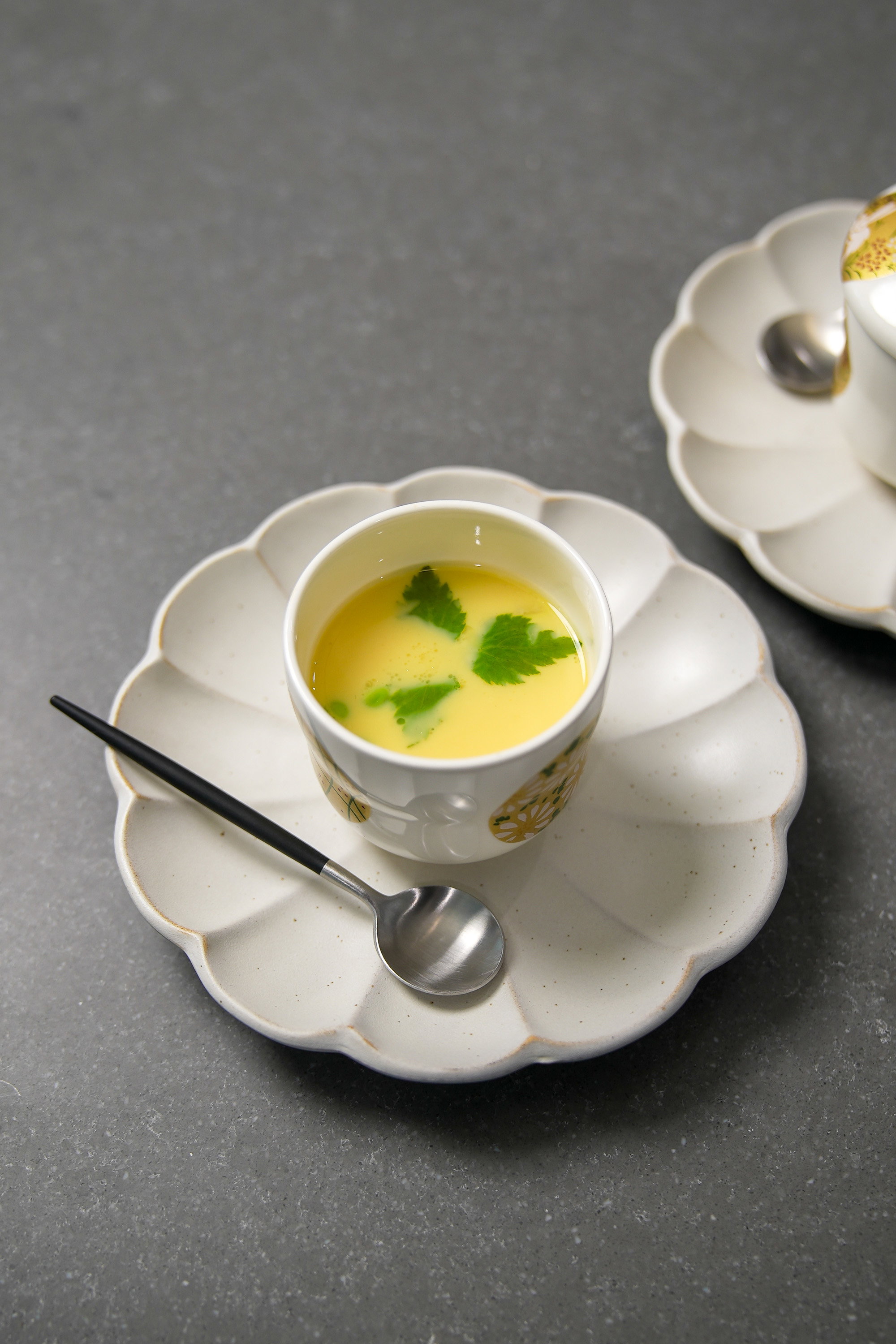
Ichiban Dashi : This is the First Brew Dashi. It is a golden color, clearest with no impurities, delicate in aroma, and has high umami. There shouldn't be much seaweed or fish flavor. This is used for chawanmushi, clear soups, and dishes that are very delicate.
Niban Dashi : This is the Second Brew Dashi. It is darker in color, slighty cloudy, less aromatic, but stronger in base. It uses the already spent kombu and katsuobushi from the Ichiban Dashi, so it will have a 'cooked taste'. This should be used for stronger flavored soups, noodle dishes, braises, etc.
Over the years, I've learned from several Japanese chefs about their 'tricks' for making dashi. Ultimately, it's what makes their dashi theirs. I'll list a few that I've heard below:
Everyday, I hear a new tech or a new source about how this Kaiseki chef makes their dashi. Inevitably, my method will be changing based on where I live and what I am making. Truthfully, the dashi I make right now is not even the same as the recipe below. What's important to me are the repetitions I build while making dashi.
When I have a new breakthrough I find worth sharing, I'll either update this post or make a new Dashi post. Thank you for supporting my journey 🖤
__________________________
This recipe was updated July 1, 2026.
Optional: Soak kombu (50 g) in soft water (3 liters) for 1 hour before brewing.
In a stock pot, gently heat kombu (50 g) and water (3 liters) to 60 °C
Maintain this temperature for 1 hour, it is important to not go hotter than needed.
Remove the kombu (50 g) and save for Niban Dashi. Strain through a fine-mesh strainer if needed.
Increase the temperature to 80 °C
If it hits 85C that's okay, just don't go above this.
Turn off the heat, then add the katsuobushi (85 g). Let it steep undisturbed until the flakes mostly sink to the bottom, maybe about 2-5 min.
Taste the dashi over the next few minutes to see how the flavor changes. If you want a stronger katsuobushi flavor, let it steep for longer.
Pour the dashi through a fine-mesh strainer to remove all the katsuobushi (85 g). Reserve the katsuobushi (85 g) for Niban Dashi.
Cover the ichiban dashi with a lid to prevent the aroma from escaping, and chill down in an ice bath.
Ideally, use within the same day.
Subscribe to get my new recipes delivered to your inbox
Sign in to comment