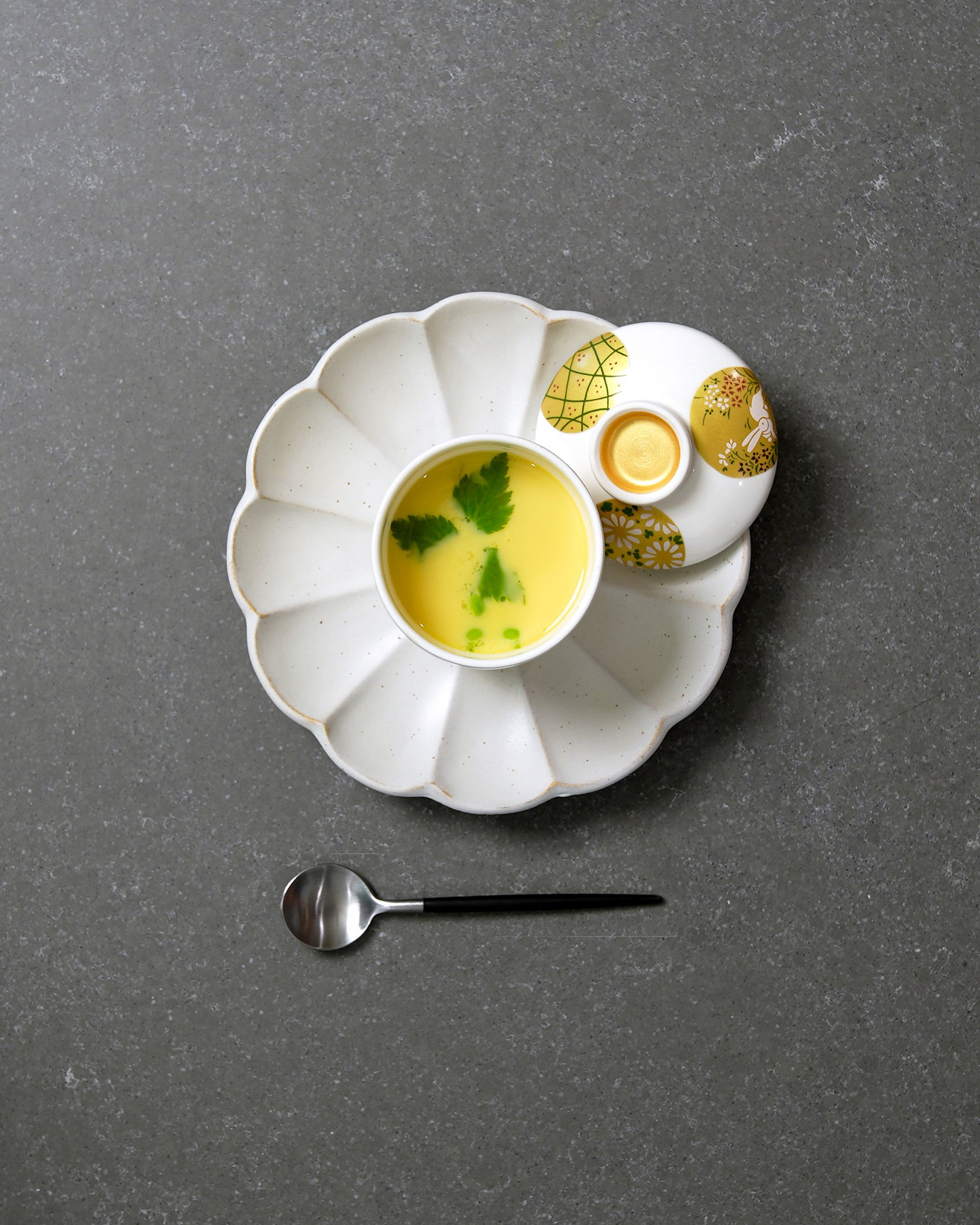
the iconic duck dish, adjusted for home cooks
33 comments

hwoo.lee
•
May 25, 2026
If there is an ingredient that I have spent the most time learning about, it is probably duck.
If there is an ingredient that I have spent the most time confused about, it is also duck.
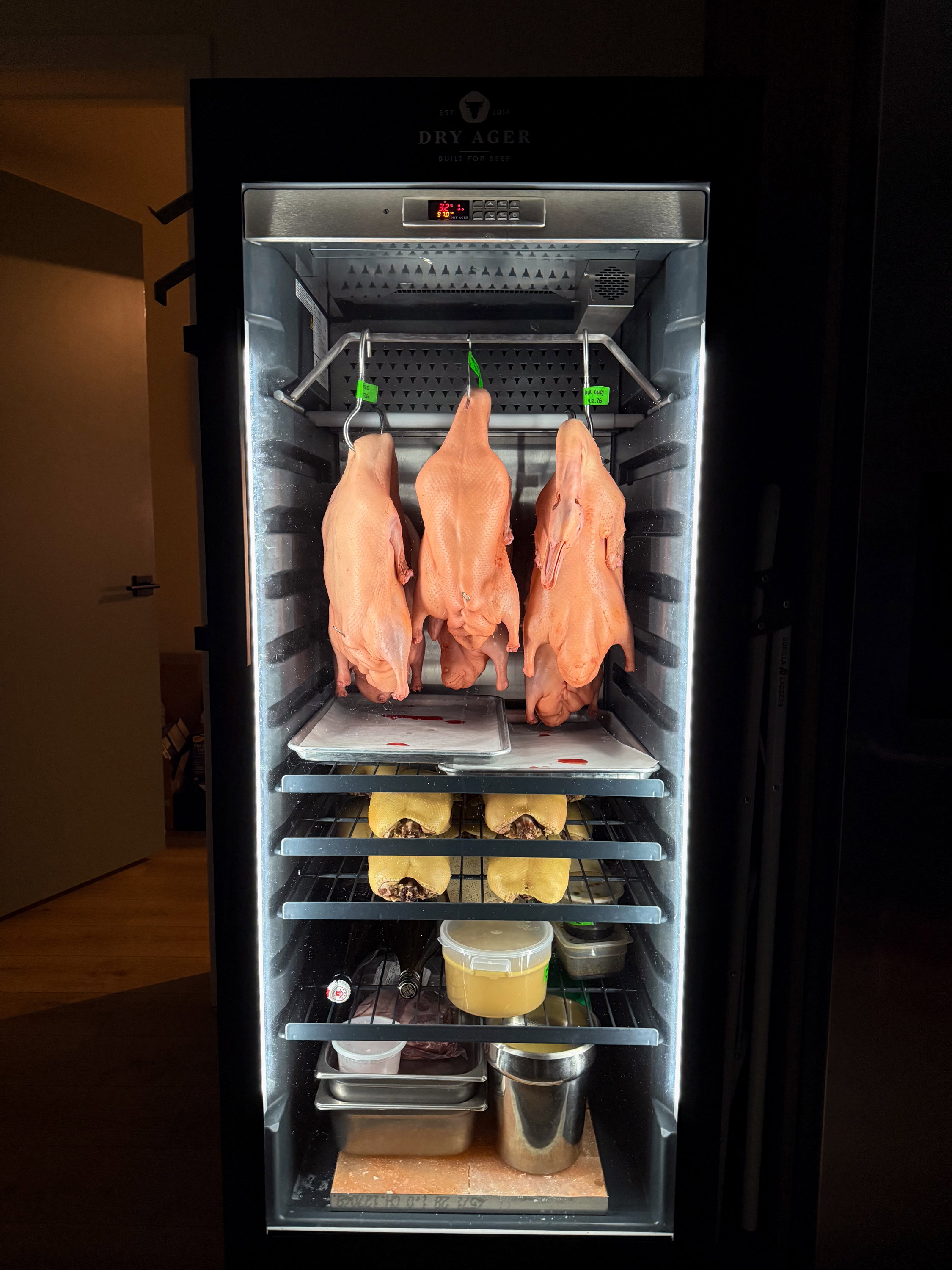
I first started my dry-aged duck journey back in 2023, around the time I just purchased my Dry-Ager (a dry-aging cabinet). Over the years, I had different mentors teach me how they like to dry-age and cook duck (one from Kato and one from Eleven Madison Park). Each had their own style, and I realized there was no "correct way" to do dry-aged duck.
The more I learn about duck, the more curious I get — and with every new question comes the humbling realization that I still know very little about the very ingredient that I have spent the most time with.
I generally see 2 Versions of Duck Cookery. Of course, there are numerous other methods and styles, so don't internalize this as a "hard-and-fast rule". This is just how my brain wraps around it to better explain it to you.
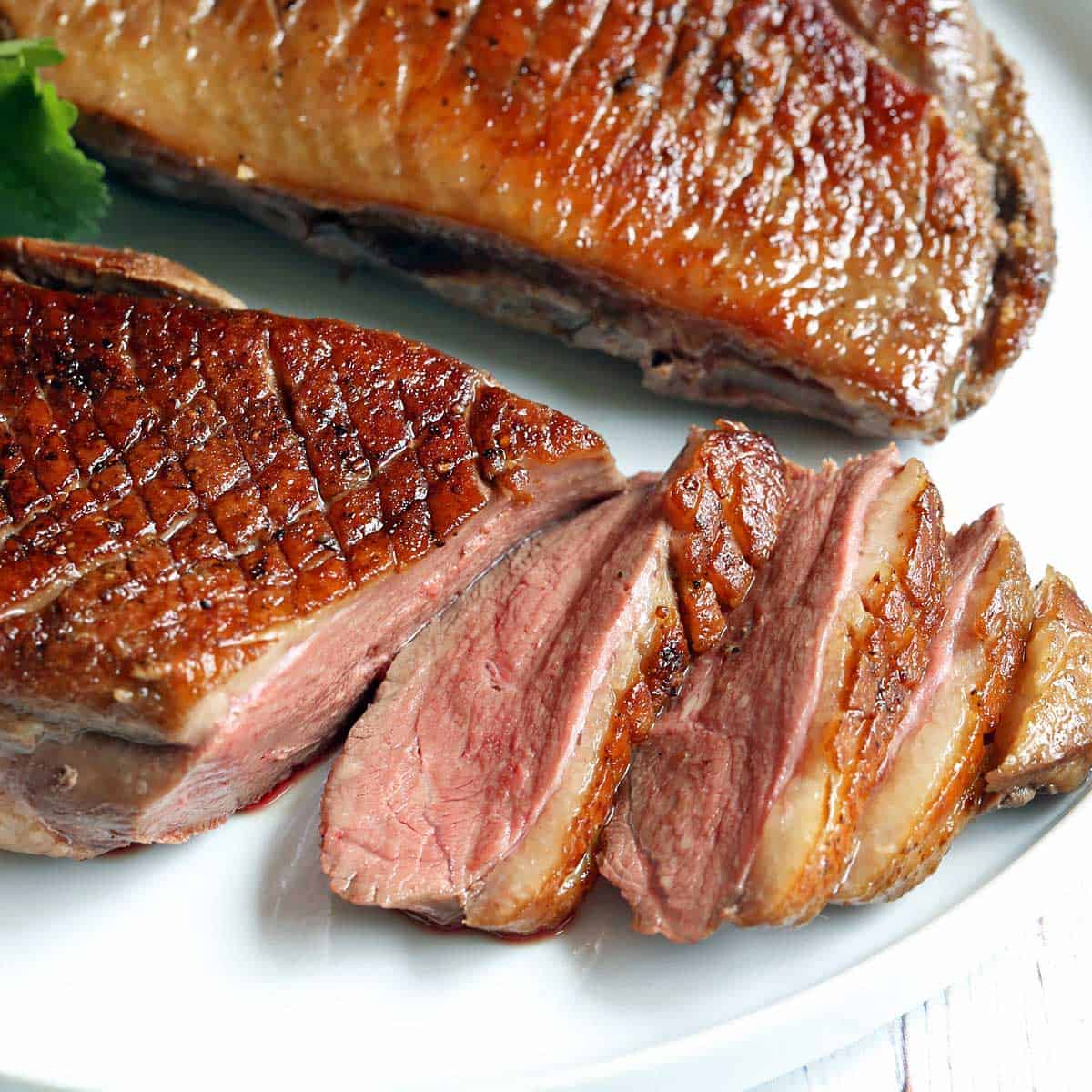
French-Style duck breast tends to be cooked with direct-contact in a sauté pan to a medium or medium-rare doneness.
Usually, the duck breast's skin is scored, cooked slowly on a pan to render out fat, basted in herbs and butter, then sliced and served. The skin is "crispy", but it tends to taste "oil-soaked" to me from all the butter/direct-contact to pan.
I usually see this style more often because you don't need to dry-age the duck. The goal is for tender breast meat, not necessarily a light and crispy skin.
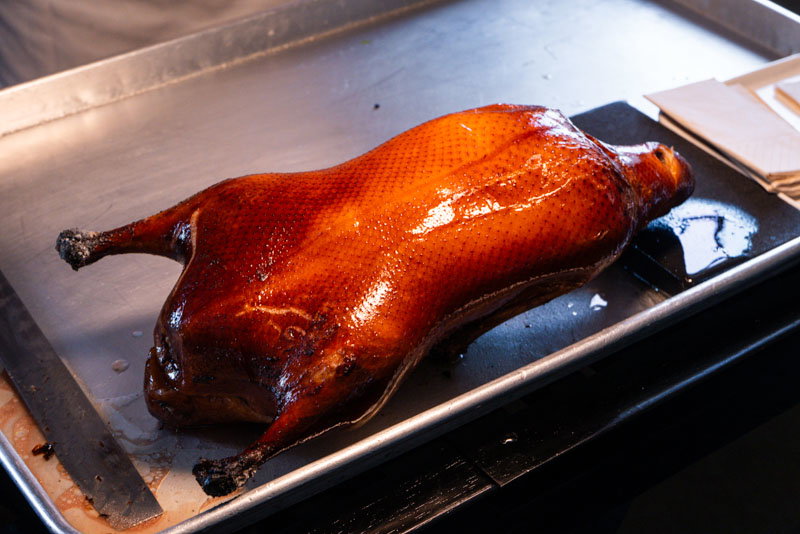
Chinese-Style, and more specifically the modern Beijing Style Duck, aims for an incredibly light, puffed crispy skin. However, the meat inside is often cooked to well done. There are methods where chefs add boiling water inside the cavity to allow the duck to steam from the inside, creating a juicier duck breast. However, the goal is to yield a crispy and not greasy duck skin.
Dry-aging is almost always required, because drying out the skin helps to get a glass-like skin. Additionally, the duck is roasted whole, so there is no way of direct-contact cooking on a sauté pan.
There are so many other versions of duck in China (Nanjing Roast Duck, Pipa Duck, Goose, etc), so it feels a little unjust to reduce it to just "one version". However, for the intent of this recipe I want you have a general understanding of my two schools of thought for duck cookery.
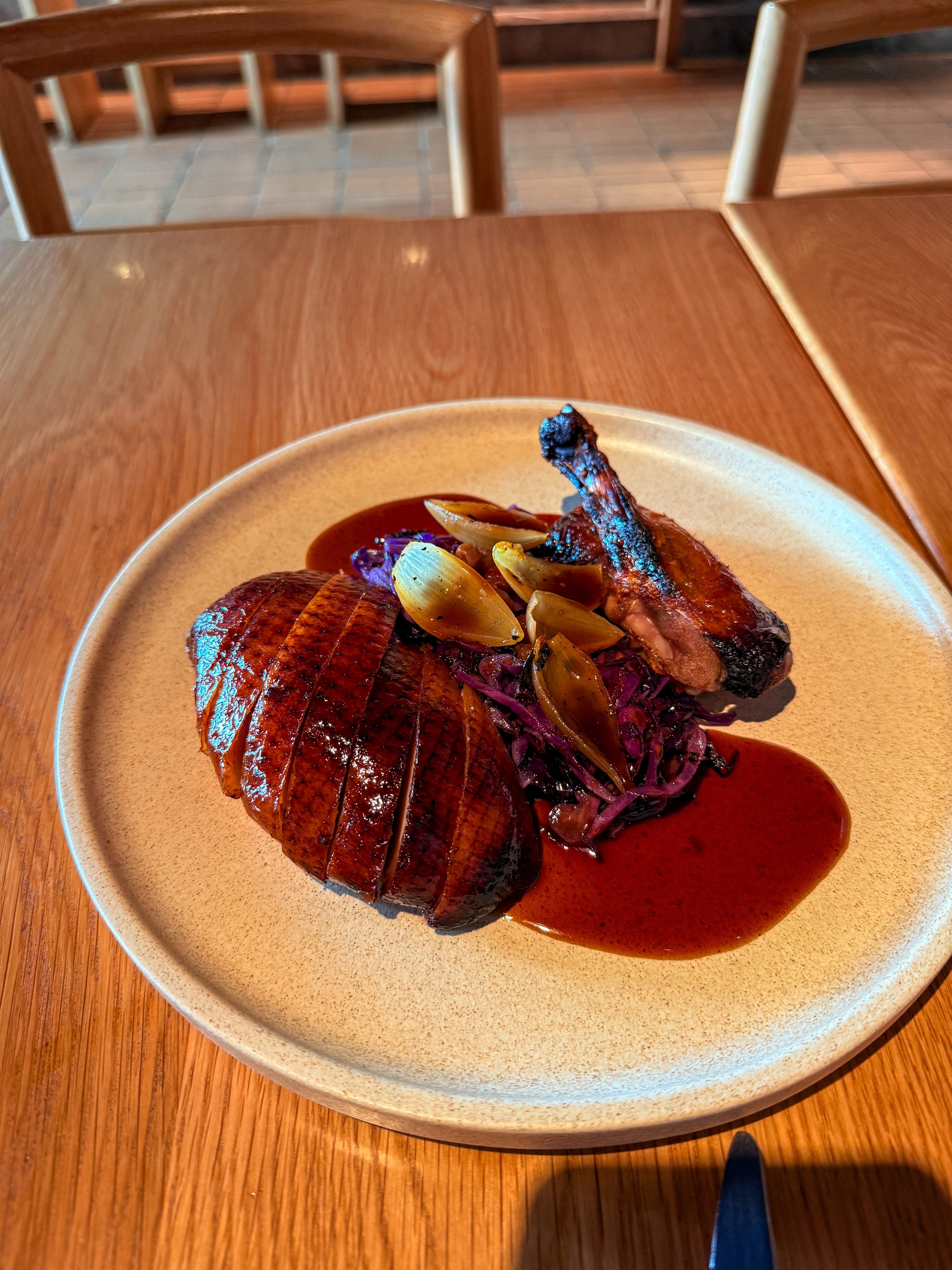
Over the years, I've tasted several ducks at restaurants, but nothing really came close to the duck I had at ARU in February 2025. Cooked to a medium, the meat was juicy. The flavor was slightly gamey, the fat nicely rendered, and the skin was crisp and light.
This felt like the perfect hybrid between a French and a Chinese Duck.
And I wanted to learn how they made it.
What's the best way to learn something? Ask the source directly.
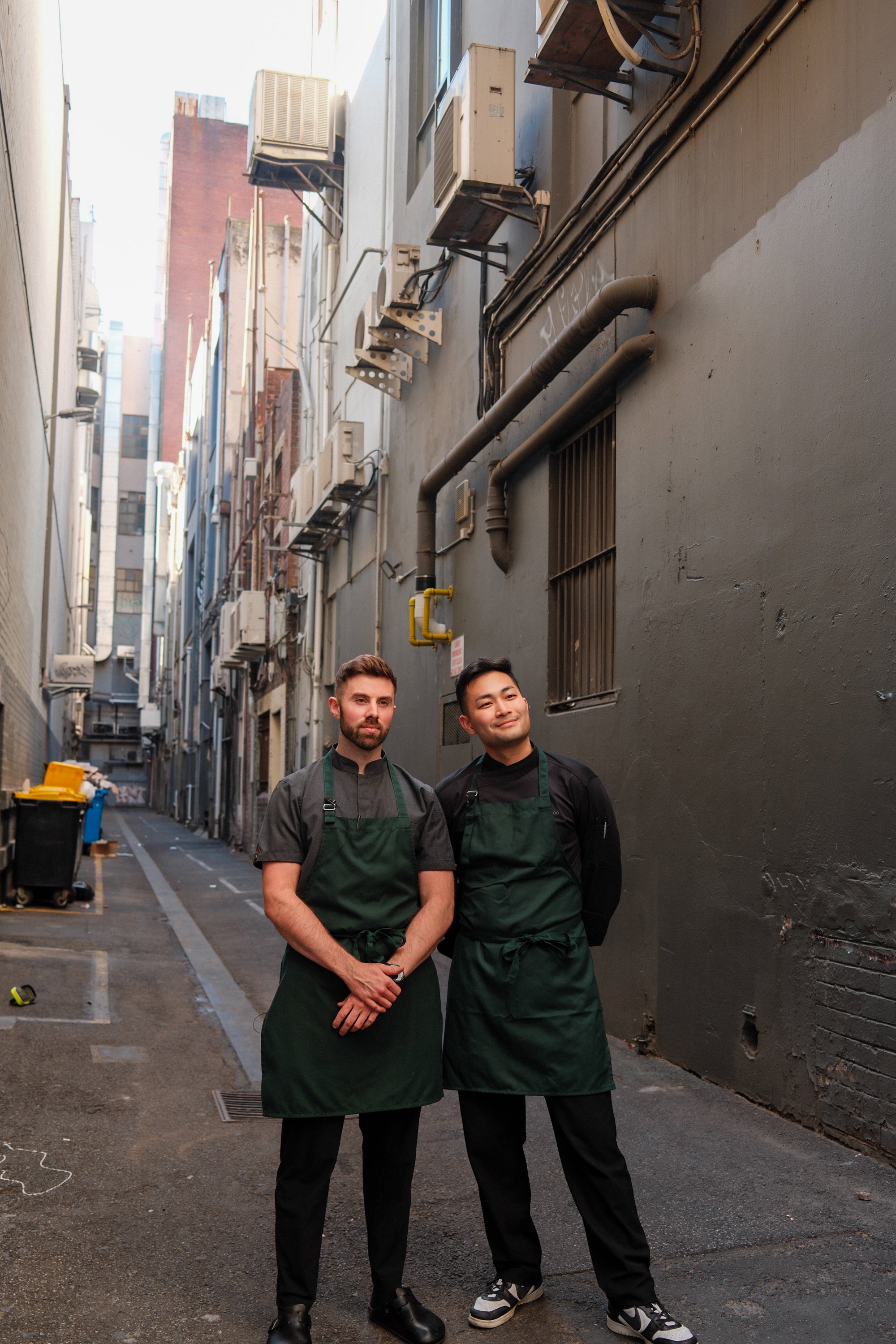
I managed to find Chef Nico Koevoets's Instagram, and our friendship began. We met for coffee, discussed a pop-up together, and I asked for the duck recipe. You can watch the R&D video of the pop-up here.
To be clear, Chef Nico gave me permission to share the ARU Duck Recipe, but there are a few minor tweaks I made to adjust for home-cooking. Although this recipe was first developed by Chef Khanh Nguyen, it's changed a bit over time to fit Chef Nico's version. Nonetheless, Chef Nico's duck is still one of my favorites to this day.
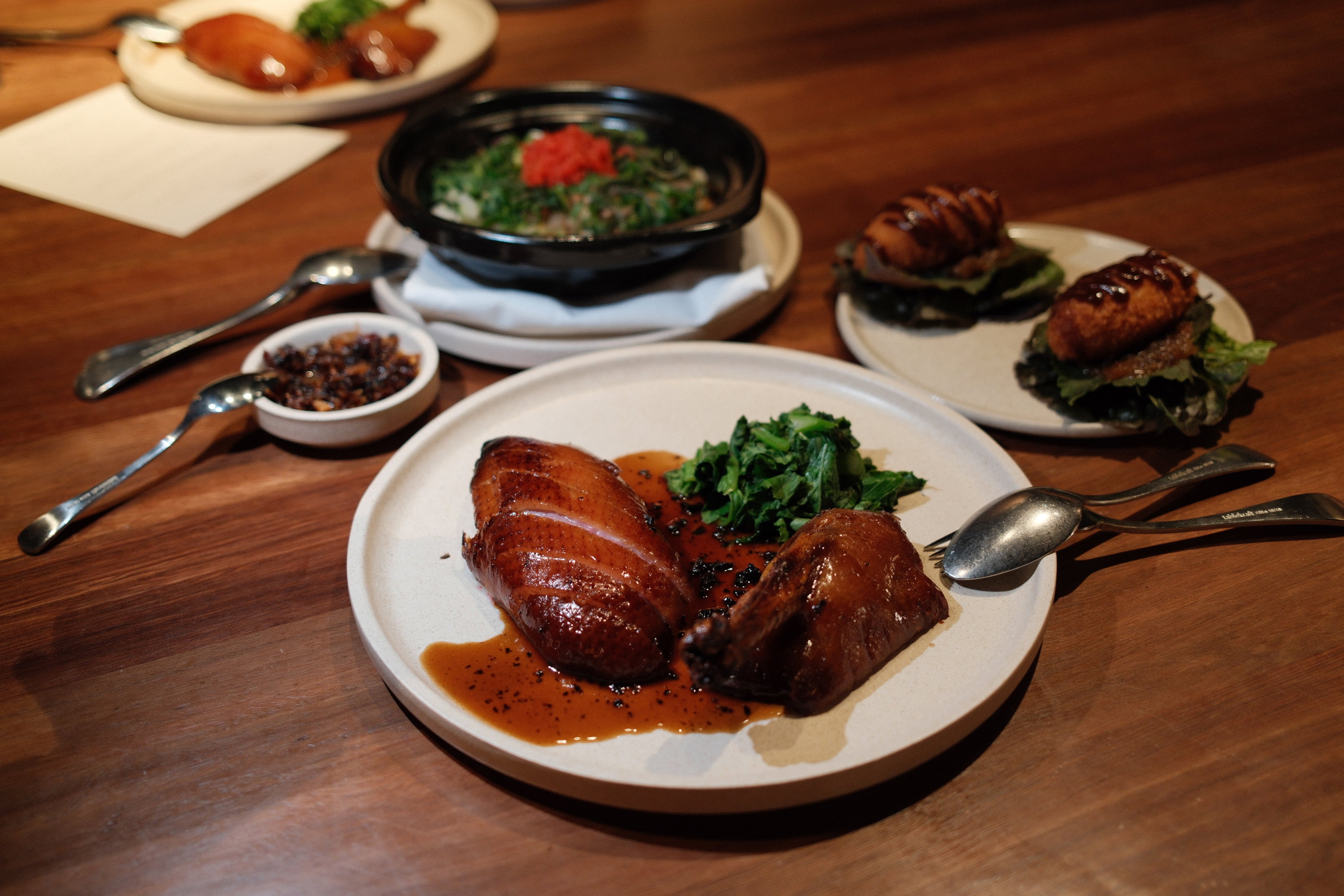
ARU uses an Aylesbury-Cross Duck, which is essentially a cross breed of an Aylesbury and a Pekin Duck. The process begins by first receiving Duck Crowns from their purveyor (a crown is just the upper breasts, rib cage, and half spine intact).
The duck crowns are brined overnight in their house poultry brine. The brine is a mixture of salt, sugar, aromatics, spices, and a poultry curry paste. The curry paste is the one aspect I don't have a recipe for exactly.
Once brined, they are blanched in hot water, then blanched in a red vinegar and maltose solution, and then hung in their dry-aging walk-in fridge for at least 14 days.
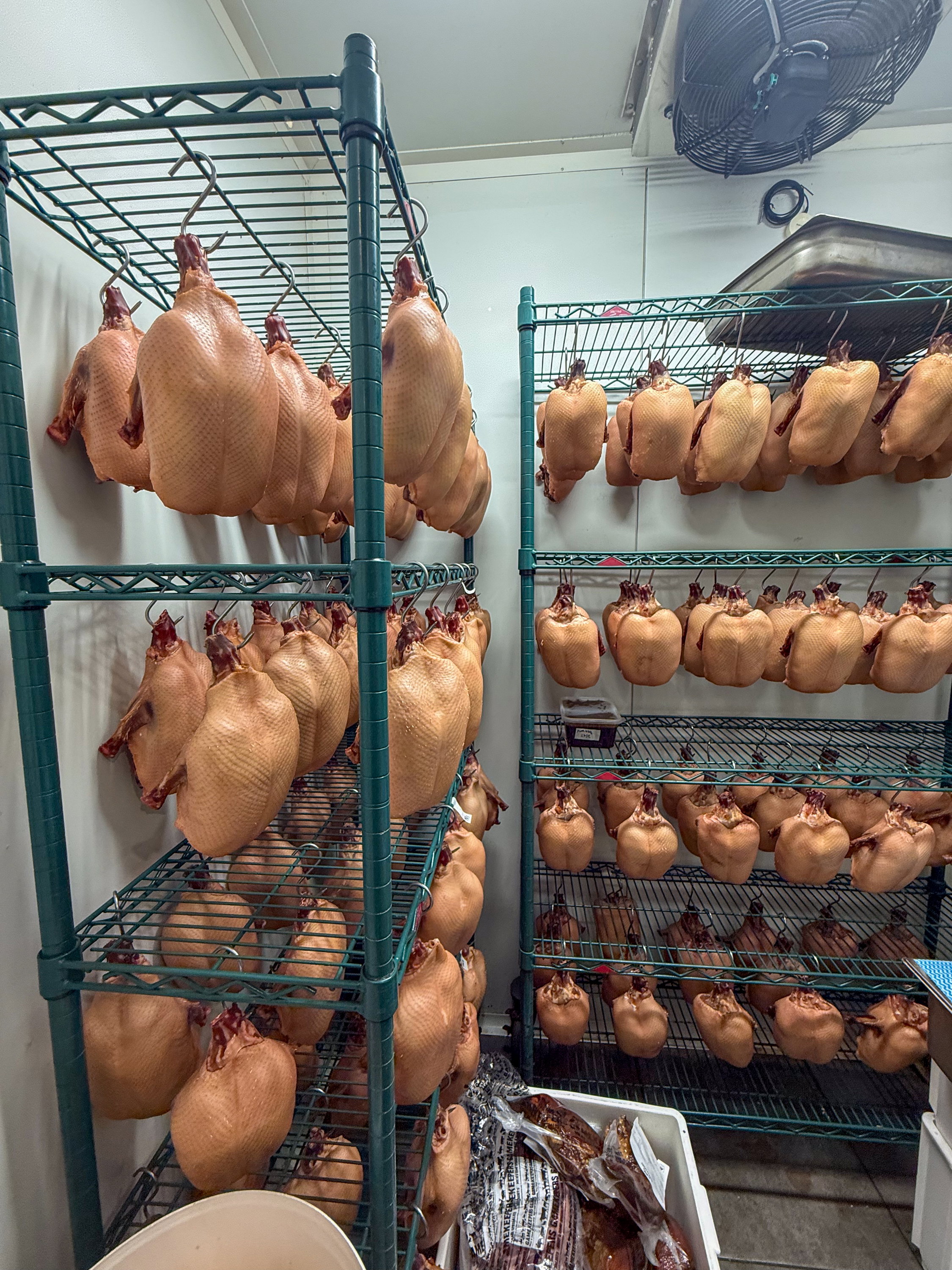
ARU's duck program is massive. They serve about 120 to 180 ducks per week. Their walk-in fridge needs to hold about 2.5 weeks worth of ducks at a time, so they have +300 ducks dry-aging on rotation at a time. However, during the holiday season, they can squeeze a little over +400 ducks in their walk-in.
I've never seen so many ducks in a row.
When you're doing 80 to 100 ducks at a time at ARU, the amount of poultry brine or maltose-vinegar glaze used is optimized, the Rational Combi Ovens cook differently to home ovens, and amount of labor available on a project is different. I have made adjustments to the ARU recipe for the home-cook.
As for the poultry brine, it's almost unfeasible in a home-kitchen to brine 6 ducks in a massive tub that would fit in a home fridge. You can't exactly reduce the brine by 6x, because you need enough brine to submerge enough ducks depending on your container. The amount I have below should be enough for 6x duck crowns, but you may need to adjust based off your needs.
I also often make this duck recipe without brining and it still tastes amazing (you just lose out on some subtle aromatics and the enhanced moisture retention from the brine).
If you're doing 1x Duck Crown, you can't exactly divide the maltose vinegar glaze by 6, because you need enough of the glaze to completely submerge the duck. So unfortunately, you still need to make the same amount of maltose-vinegar glaze, whether you're doing 1x duck or 6x ducks.
Actually, the maltose-vinegar glaze can probably be used up to 20 ducks. Using a tall, 6L Bain Marie would help when glazing the duck crowns as well. You might be able to reboil the glaze and use for future ducks, but I haven't tested it so I can't encourage it.
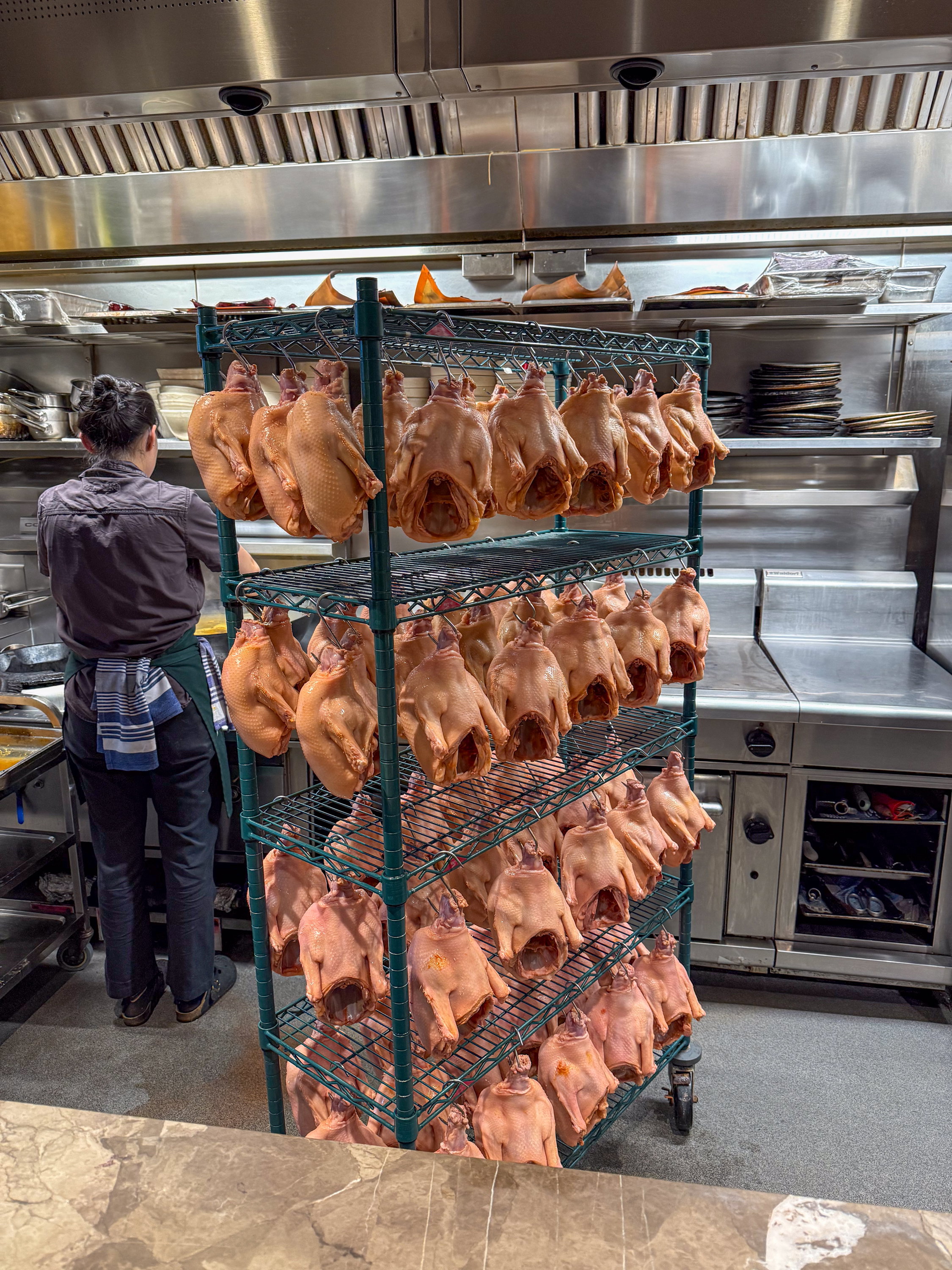
ARU has all their duck crowns hanging vertically with a S-Hook through the neck. If you're watched my videos, you may have seen ducks resting on it's spine (breast upwards). You can do both, you just have to make sure to shape the skin of the duck.
If you don't have a dedicated fridge to dry-age, you can do this in a regular fridge. I would advise getting a portable fan, adjustable shower rods (if you want to hang the duck crown), and potentially desiccant packets. Keep in mind, this fridge is going to get a little smelly, so I advise you use a mini fridge you don't care as much about. I wouldn't stress out too much about the humidity levels, what's more important is that there is airflow hitting the duck as often as possible.
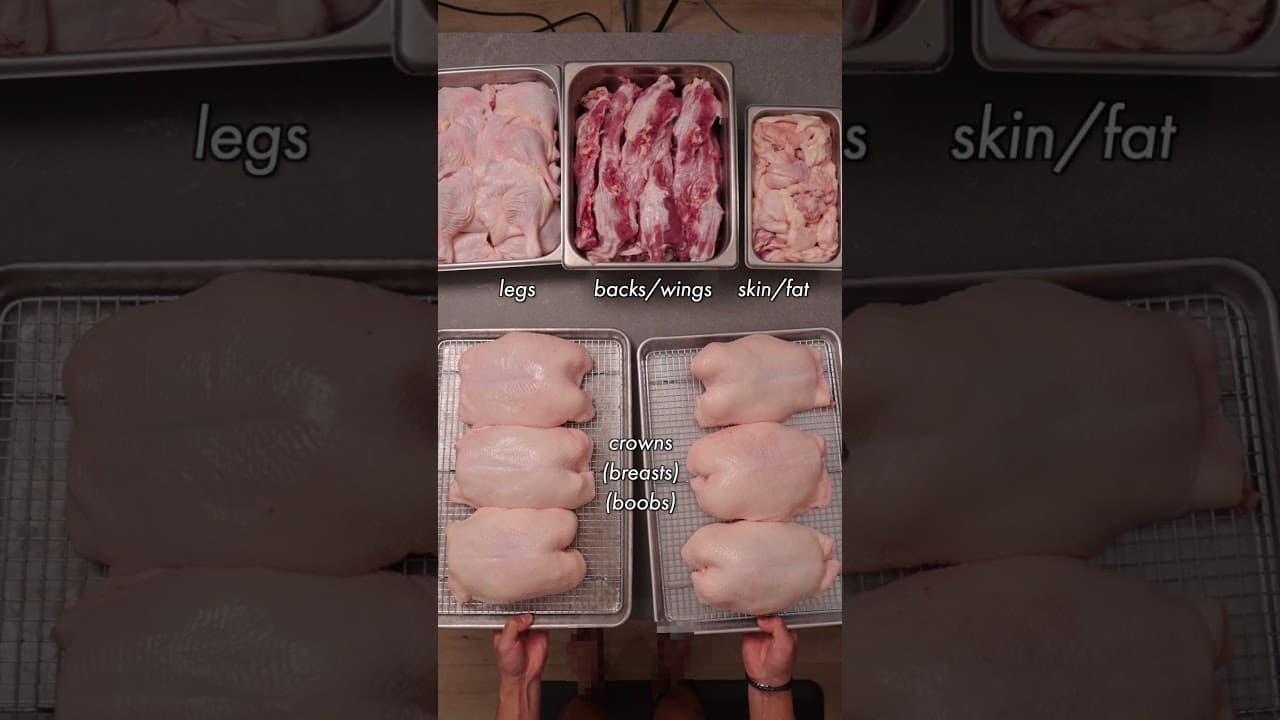
ARU is able to order ducks by the crown, so they don't have to deal with butchery. However, you'll most likely have to butcher your own ducks. In the video above, I show you how to remove it (including the spine). I would recommend keeping the top-half of the spine for dry-aging. Save the bones for stock, the legs to confit, and render the skin and fat to use later.
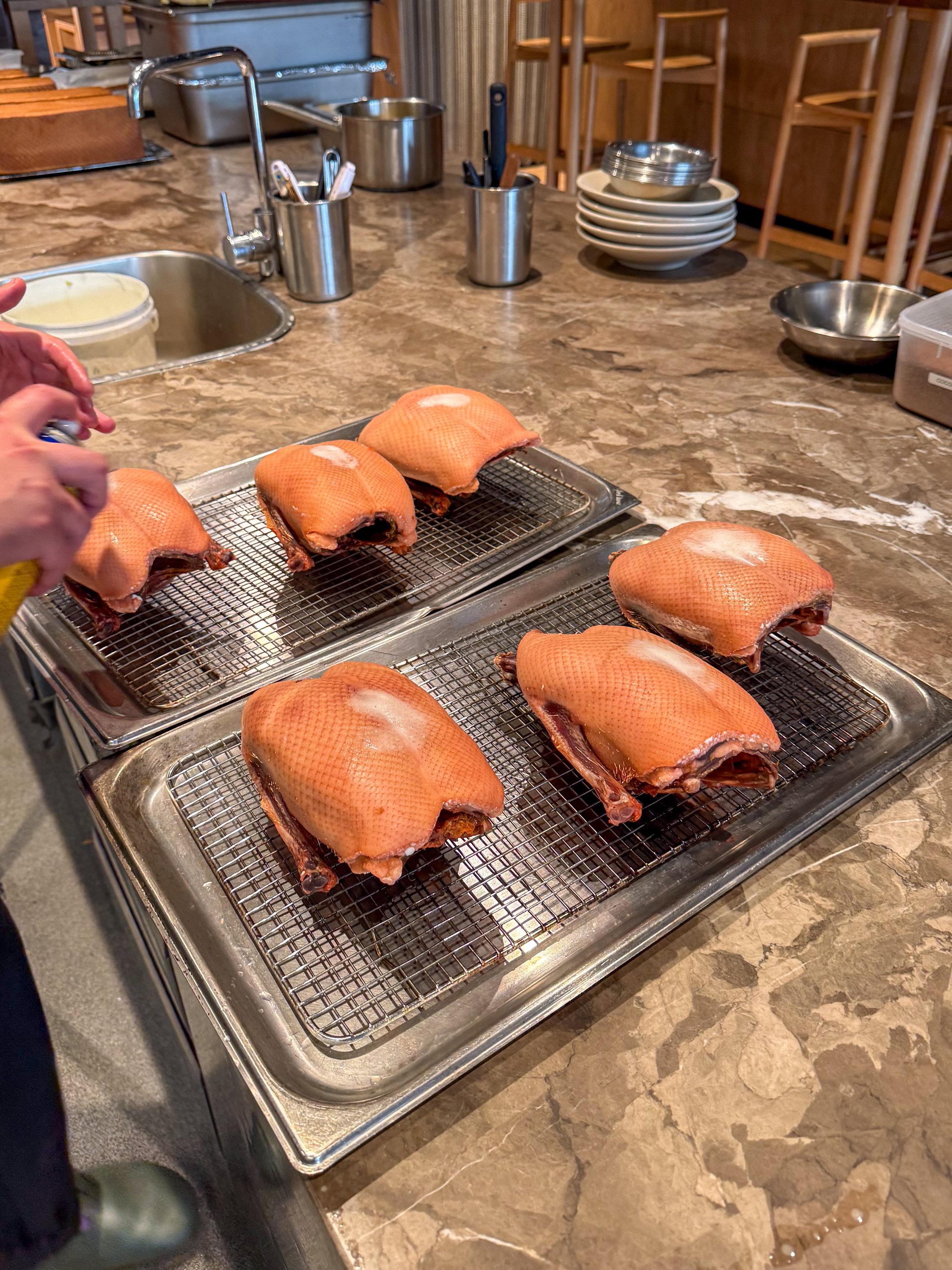
ARU has a Rational Combi Oven, which is essentially the crème de la crème of ovens. If you want one at home, you're looking at over $10,000 USD.
The second best option for home cooks is using a countertop convection oven (or air fryer). I've adjust the recipe to use something similar to a Breville or ANOVA Countertop Convection Oven.
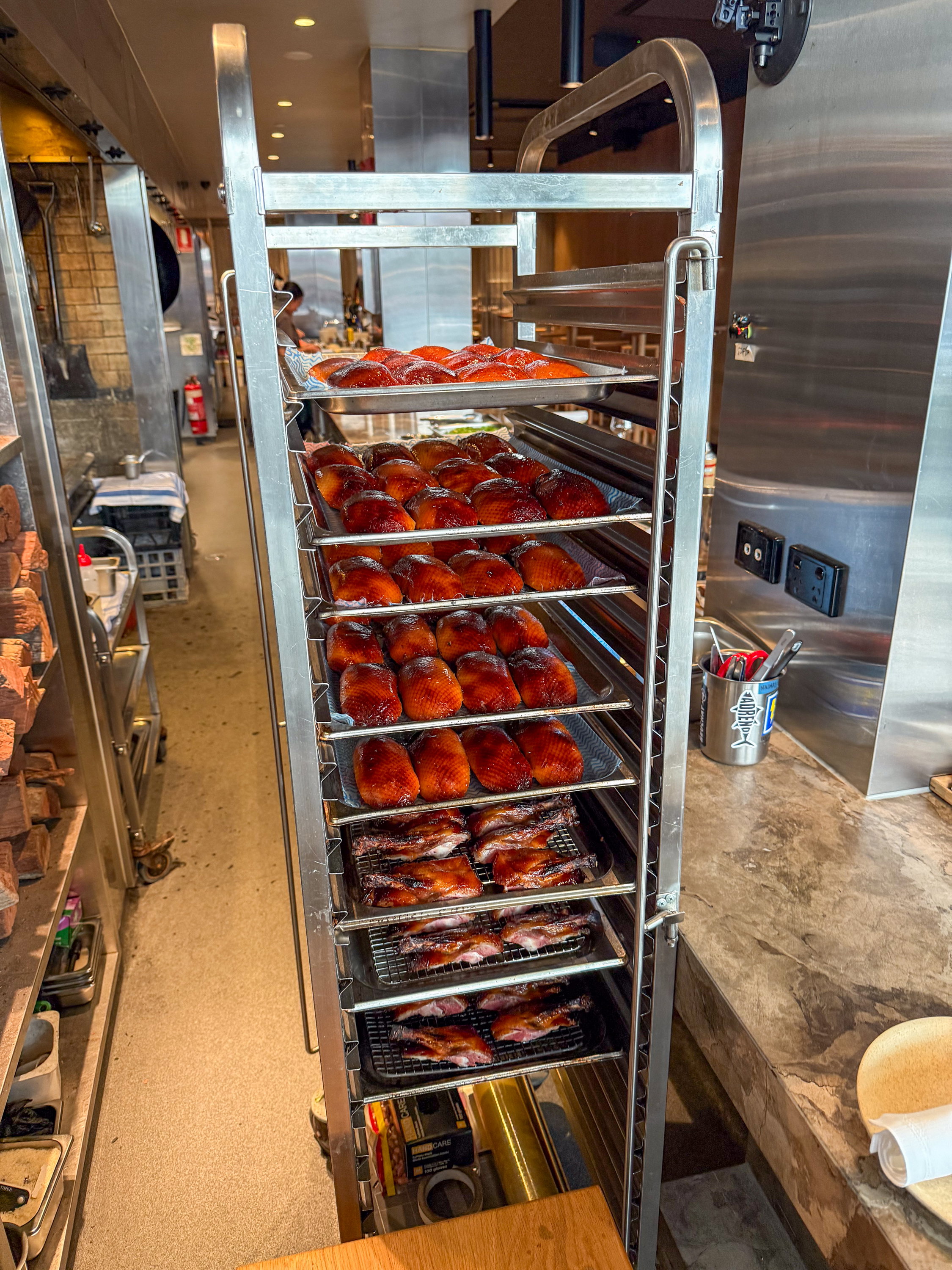
If, despite all the hurdles and effort this recipe calls for, you still want to make it, then I think we’ll get along.
Cooking is a journey, repetitions build discipline, and failures are the greatest lessons. My duck recipe is far from perfect, but this version of the ARU duck recipe is one I'm excited to share.
Again, a huge thank you Chef Nico Koevoets for teaching me this recipe, and allowing me to post this on my recipe website.
Bring water (2 ½ liters) to a boil. Once boiling, add the remaining ingredients for the brine except the cold water.
Let the aromatics and seasonings infuse for 30min on a low simmer
Add the remaining cold water and allow to cool to fridge temp.
Place duck crowns in brine fully submerged. Brine overnight, up to 24 hrs
Poultry Brine can be used again, just reboil and simmer for a few minutes, then cool down.
Soften the maltose by steaming it inside the continer or microwaving at short intervals until pliable.
Whisk all ingredients together in a pot and bring to a boil. Whisk until maltose is fully dissolved.
Remove off the heat.
Subscribe to get my new recipes delivered to your inbox
Sign in to comment