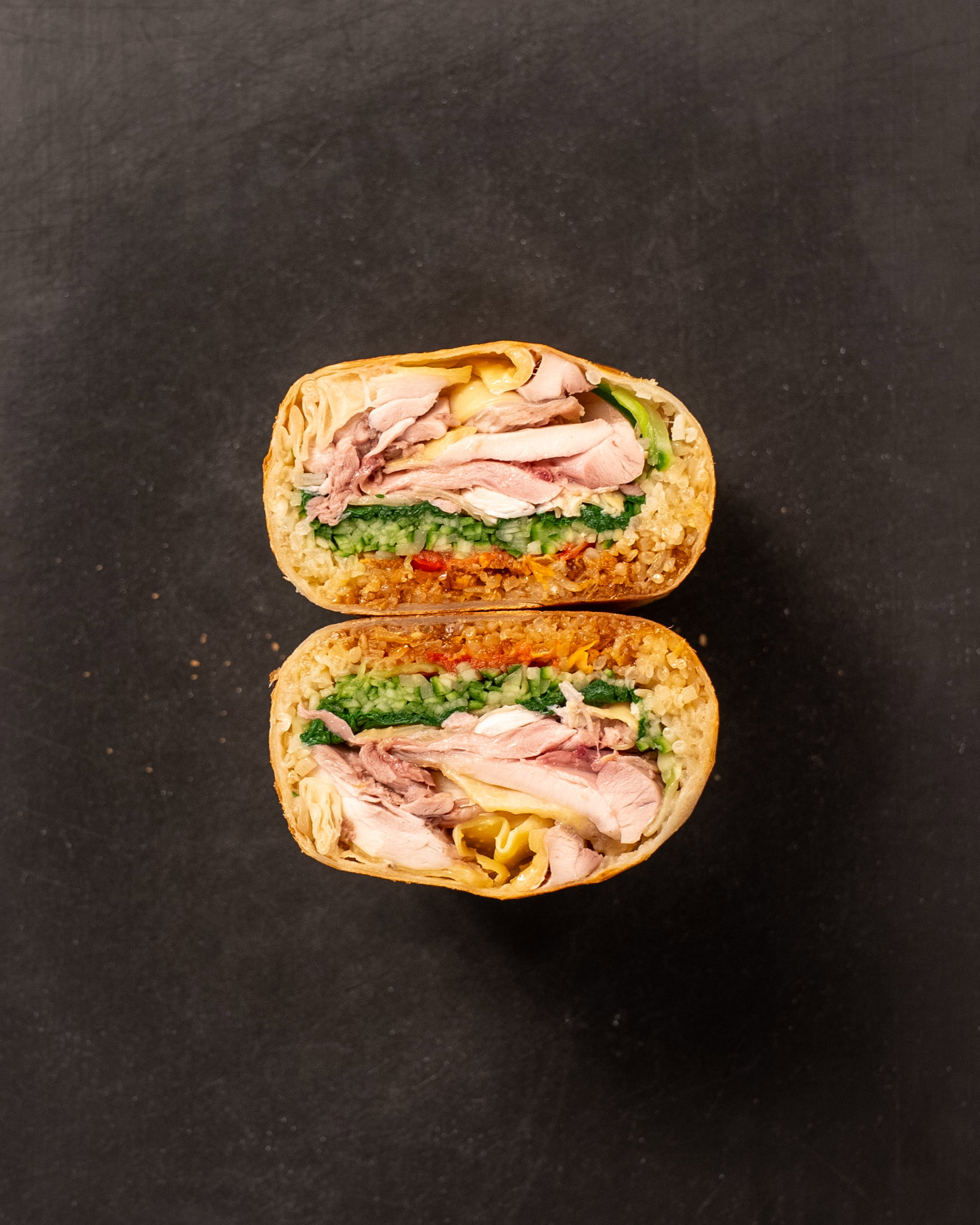
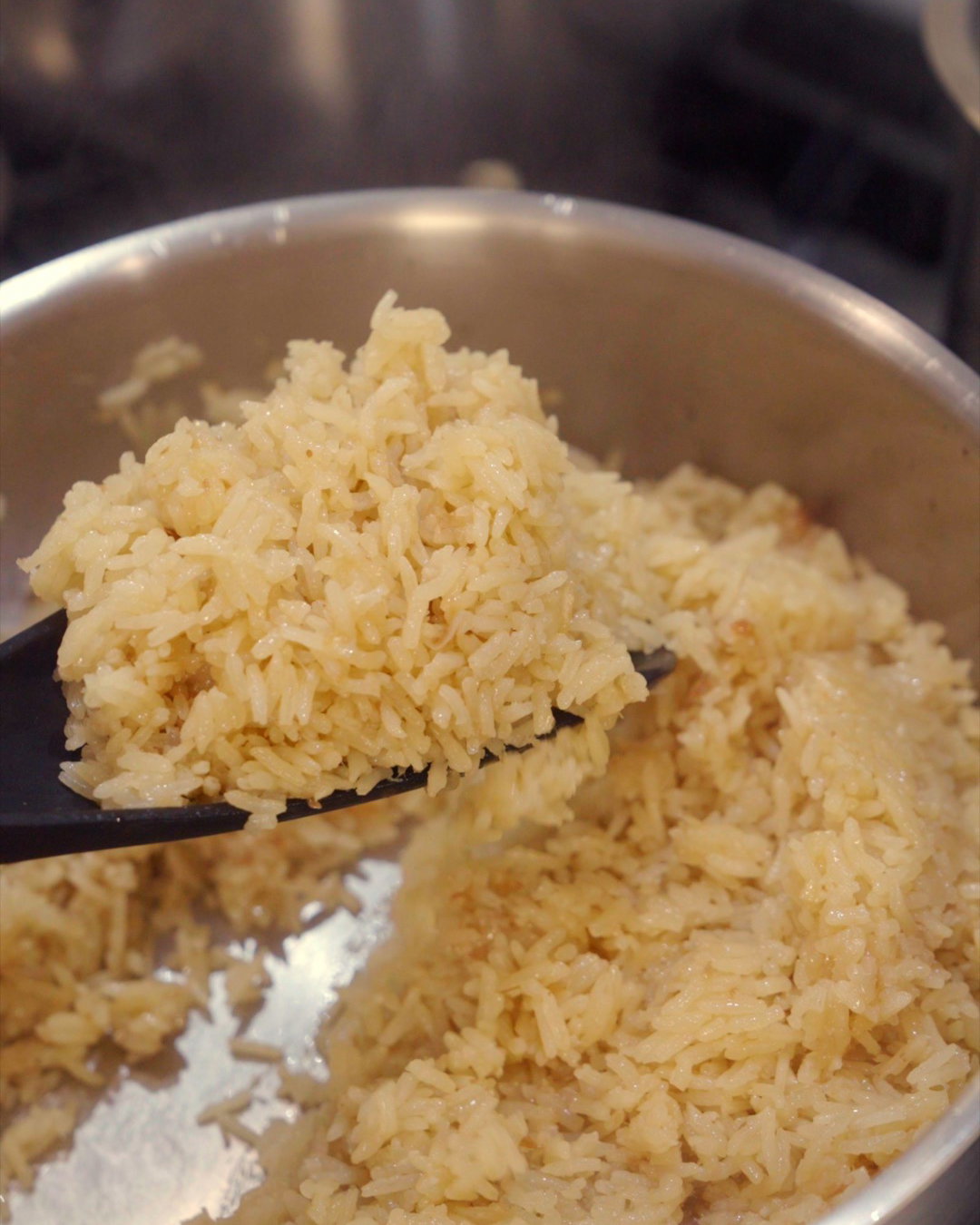
considered by many to be the best Hainan Chicken in the USA

hwoo.lee
•
May 8, 2026
If you are new to my Hainan Chicken R&D Series, welcome, and please read through my Hainan Chicken V1 recipe for a thorough rundown and backstory.
When I first posted about this R&D series, I got a flood of comments referencing Chef Johnny Lee's Pearl River Deli (PRD) Hainan Chicken recipe that was posted on Google Drive here.
Fortunately, I connected with Chef over Instagram, and we scheduled a day for me to come in for a private lesson. After spending the day learning from him, I've grown to admire his meticulous, scientific, and near obsessive approach to thinking about Hainan Chicken.
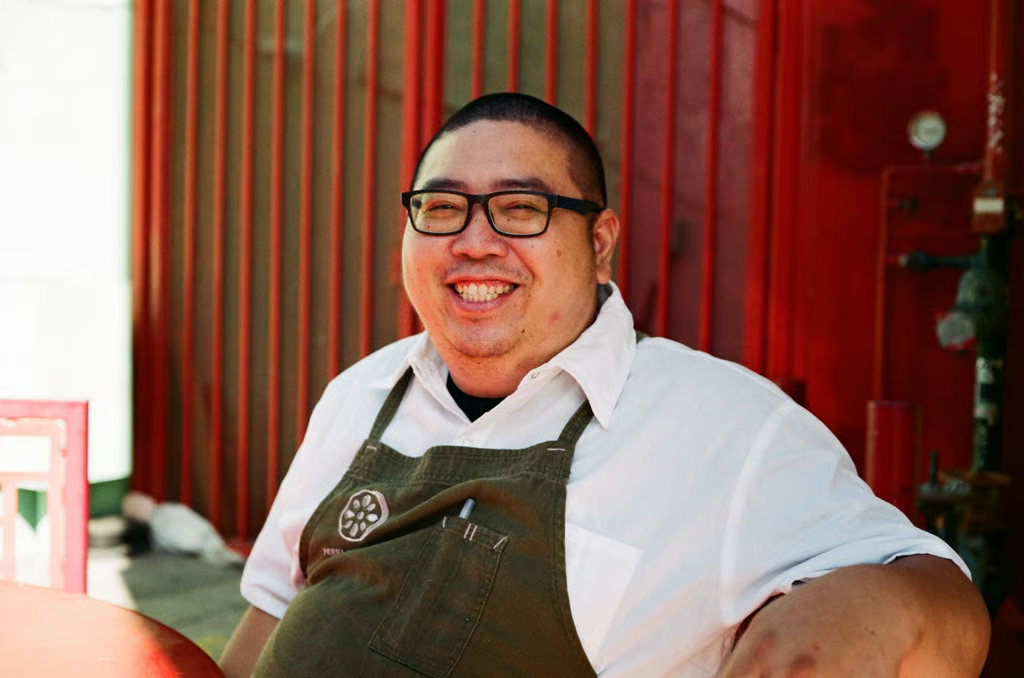
Chef Johnny Lee is from a city called Toisan (I think it's also called Taishan) in the southwest region of Guangdong Province in southern China. Growing up, his mother cooked a variety of Cantonese food, including poached chicken.
In 2013, Johnny helped open up the first Sticky Rice location in Grand Central Market LA. The chef wanted to put Khao Man Gai, or thai style hainan chicken rice, on the menu - so this was Johnny's first professional encounter with poached chicken.
In 2016, Johnny opened up Side Chick, his first Hainan Chicken concept in Arcadia. I believe it closed in 2022.
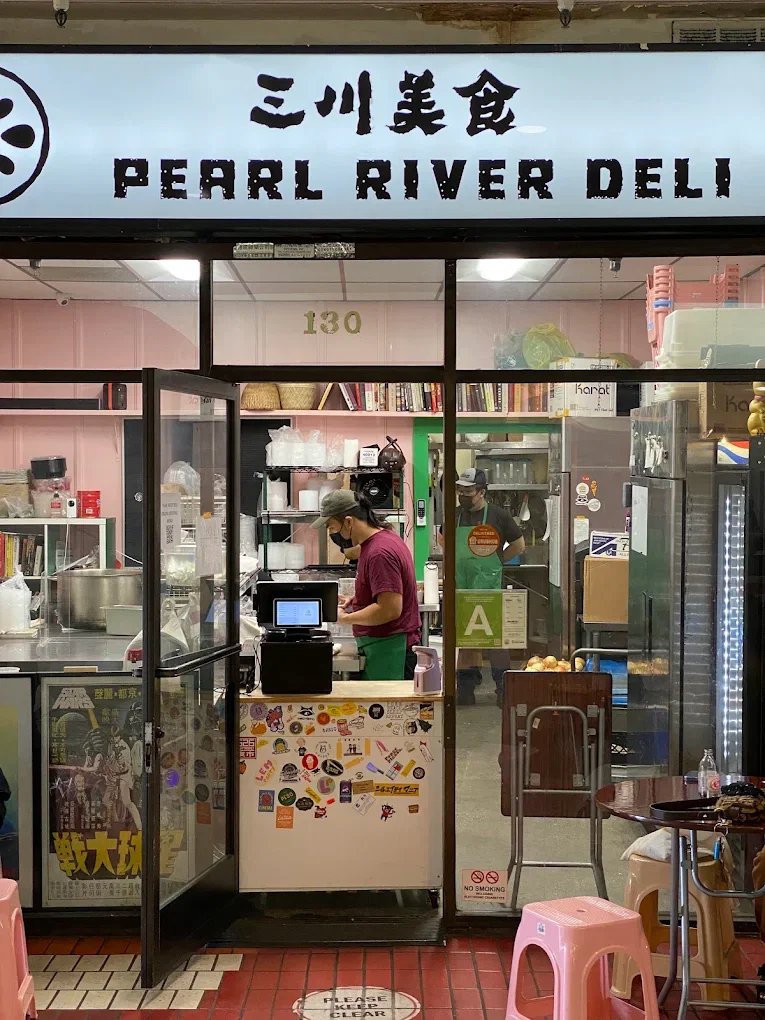
Which was followed up by Pearl River Deli (PRD), a Cantonese concept that sold Hainan Chicken, Char Siu, and much more. Personally, I heard a lot of raving reviews from other chefs about how Johnny's Hainan Chicken at PRD was the best in LA, if not the entire country. Unfortunately, it closed in 2024 and I never got to try it (I actually didn't even know what Hainan Chicken was back then).
Johnny told me that over the 7-8 years of running both Side Chick and Pearl River Deli, he has personally cooked over 10,000 Hainan Chickens.
I don't know exactly why he closed PRD, but he told me doesn't even care that much for Hainan Chicken. He knows how to cook it really well. He's really a connoisseur of all poultry.
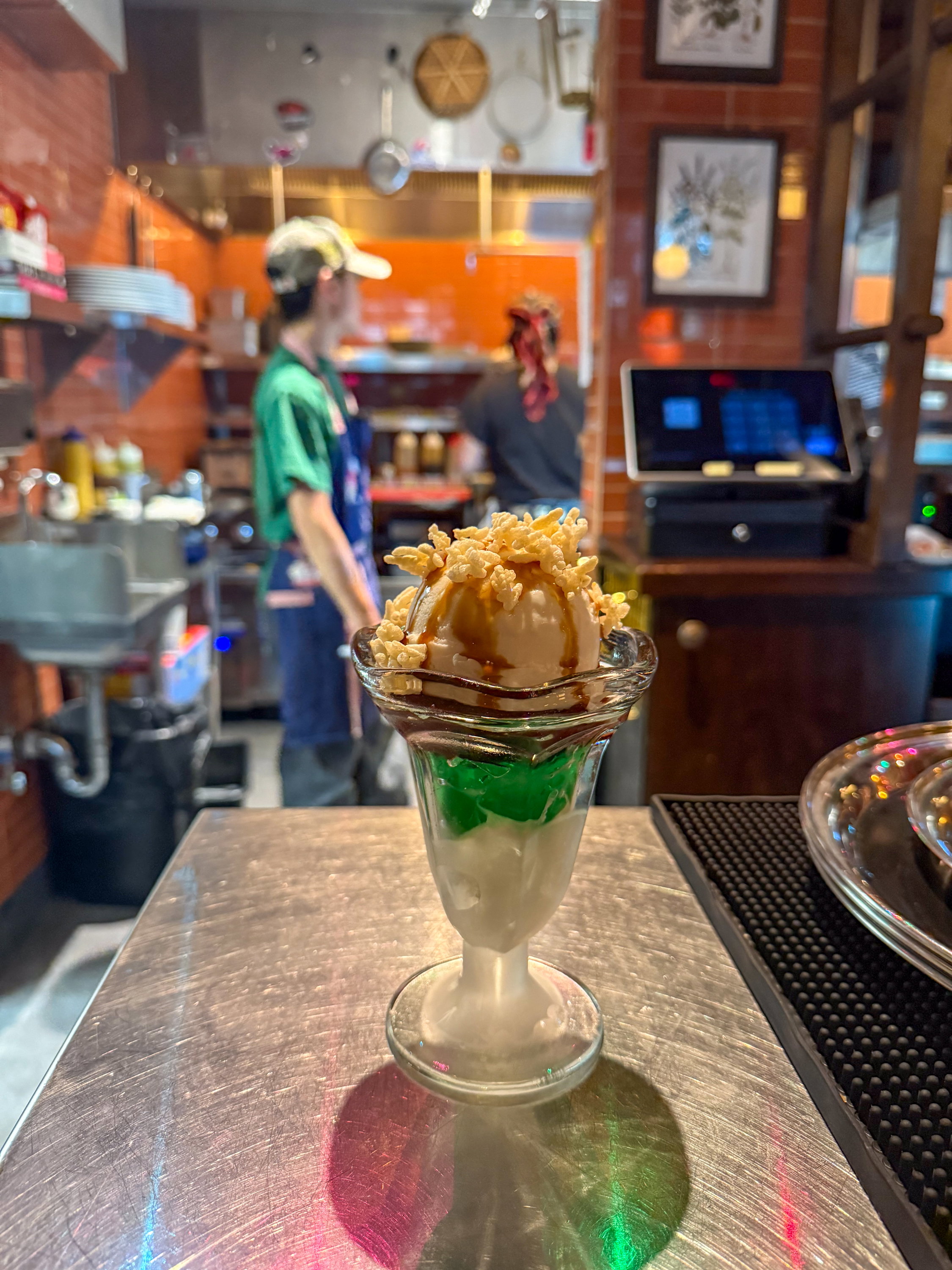
Currently, he runs a Southeast Asian Restaurant called Rasa Rumah in Historic Filipino Town. The Cendol Sundae (pictured above) is one of my favorite desserts in the city right now. Once in a blue moon, he does a Hainan Chicken special. Either way, I recommend visiting his spot.
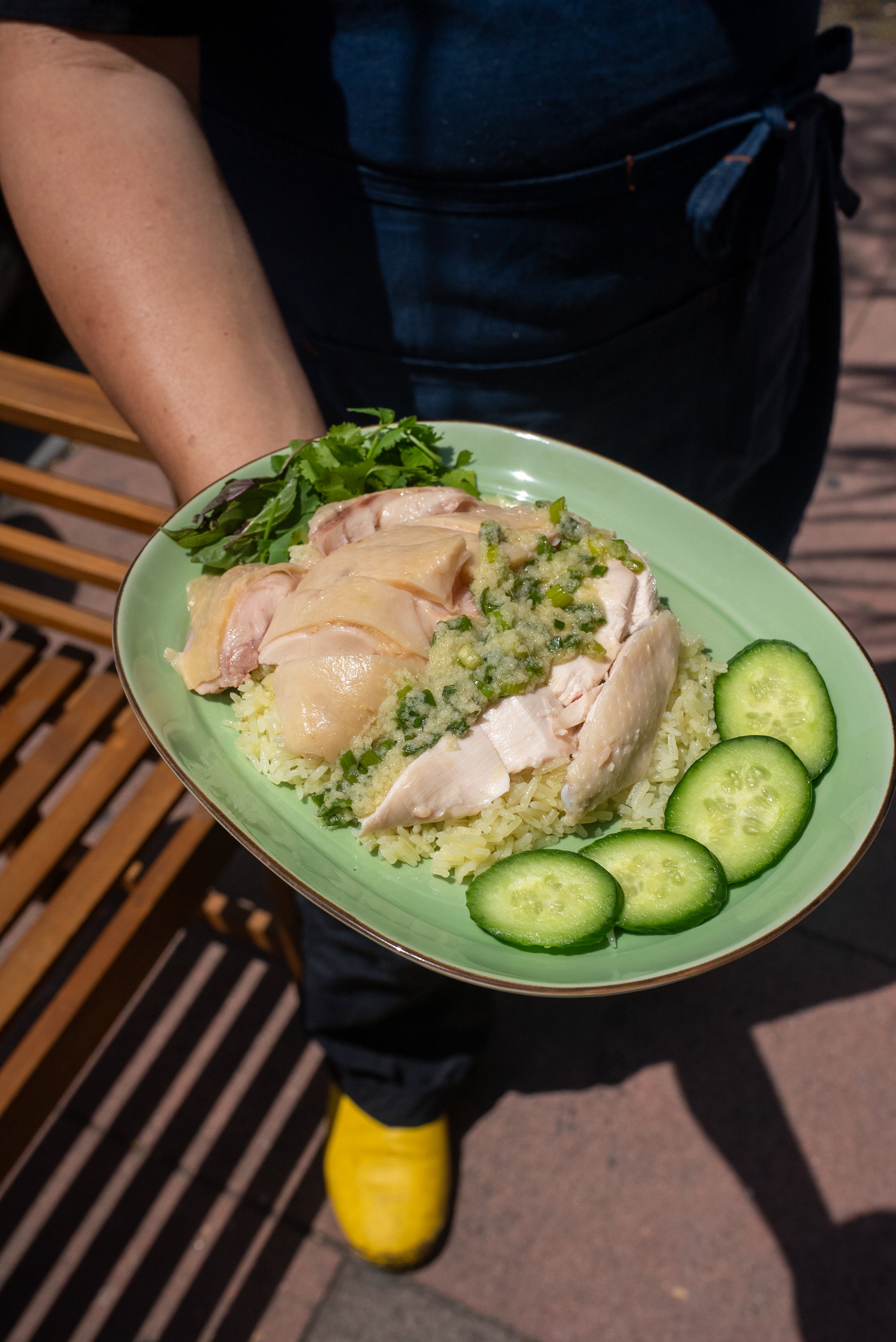
This recipe I am sharing below is actually very similar to the one he uploaded here.
So besides reading his recipe online, the biggest advantage to watching Chef Johnny do it in-person were a few things.
The biggest breakthrough for me was tasting how well-seasoned his Chicken and Stock was. His Hainan Chicken was the only chicken I felt as though I could eat without any sauces. I think this is specifically what made his Hainan Chicken my favorite I've had in the US. His Master Stock was way saltier than what I was expecting. I took some home and concluded it was around 2 to 3% salinity.
Lastly, his ability to calculate a rough cook time based off the temperature of the stock and chicken is fascinating, and also heavily experience-based.
If you have a Buddhist-Style Chicken (meaning with head and feet), remove the feet and reserve for the stock. Remove the tail and fat inside the cavity for later use.
Preferably, exfoliate the chicken with about 2 to 3 tbsp of salt. Rub it into the skin, removing any excess debris, and then allow the chicken to cure overnight.
When handling the chicken, it is best to hook it underneath it's armpit, near the back spine and pull towards the neck, or at a 45 degree angle.
To cook 1x Hainan Chicken, you need at least an 10 QT pot.
Chef Johnny's Master Stock is about 2% salinity. Adjust your master stock to be about 2% salt.
For example, if your stock is 4 liters, you would need 80 grams of salt dissolved in it.
If not done already, the master stock should contain the remaining chicken feet, any chicken carcasses, bones, wings, anything chicken bones you can find. Ideally, the bones have already been simmered at least 8 to 12 hours prior.
On the day that you poach the chicken, add ginger, scallion, turmeric (for color) to the master stock to aromatize it.
Doing the aromatics the same day keeps the freshest aroma vs. boiling multiple times prior
Bring master stock up to a boil, and cut the small slit in the skin above the wish bone and below the neck to allow for air to escape when you flush the bird
Once the master stock is at a boil, hook the bird with a hook, and drop into the boiling master stock for 5 seconds, making sure the stock flushing the entire interior cavity of the bird. Lift bird back up for 2 seconds to empty the cavity.
Repeat 2 more times. Then set bird fully submerged in the master stock with it's back on the bottom.
The main point of this is actually bringing the temperature up on the inside cavity- Most people do it too quickly or just pour hot water over the skin, but that doesn’t help the internal temp rise
Once all the chickens (if you are cooking more than 1) are in the liquid, bring back to a boil
Leave at a boil for 2 minutes. Skim off any scum if it rises.
He may boil longer if there is a high ratio of chickens to stock
Turn off the heat, partially cover with a lid. Set a timer for 20min
Take the temperature of the breast and the stock. Keep note of this.
Theory: The idea is to heat the stock enough so that the chicken and the stock will perfectly meet in the middle. If the stock is not heated long enough in step 11, or there isn't enough liquid to maintain thermal mass during the cook time, then you run the risk of "stalling" (kinda like a BBQ Brisket Stall)
Once the 20min has passed. Take the temp of the breast and the stock again. Make a note of how many degrees the chicken has risen over 20 min, and how many degrees the stock has dropped over 20 min. Example: if the chicken is at 130F and the stock is at 180F, they will probably meet at around 155F (there are many variables that can change this).
For a 4.5-5 lb chicken, the chicken should cook no faster than 35 minutes (or an additional 15min, since 20min has already elapsed).
The target temperature of the breast is 66 °C. The target temperature of the thighs should be 70 °C.
If there is subtle tearing of the joints and back skin, those are signs that they are cooked. If the tendons are popping out of the drumsticks/ankles, it might be a sign that it has slightly overcooked.
Using ample ice in an ice bath, make sure to flush the cavity multiple times with ice water (inside is the warmest)
Johnny lets the chickens melt the ice, it's about a 20 min ice bath.
His theory for jelly, is also that I was chilling my chicken too much too fast, he let's his chickens cooldown to just below room temp, not ice cold. Also adding ample chicken feet to the stock will help with jelly.
I will post a detailed video on how Johnny Lee carves his chicken for service.
Subscribe to get my new recipes delivered to your inbox
Sign in to comment