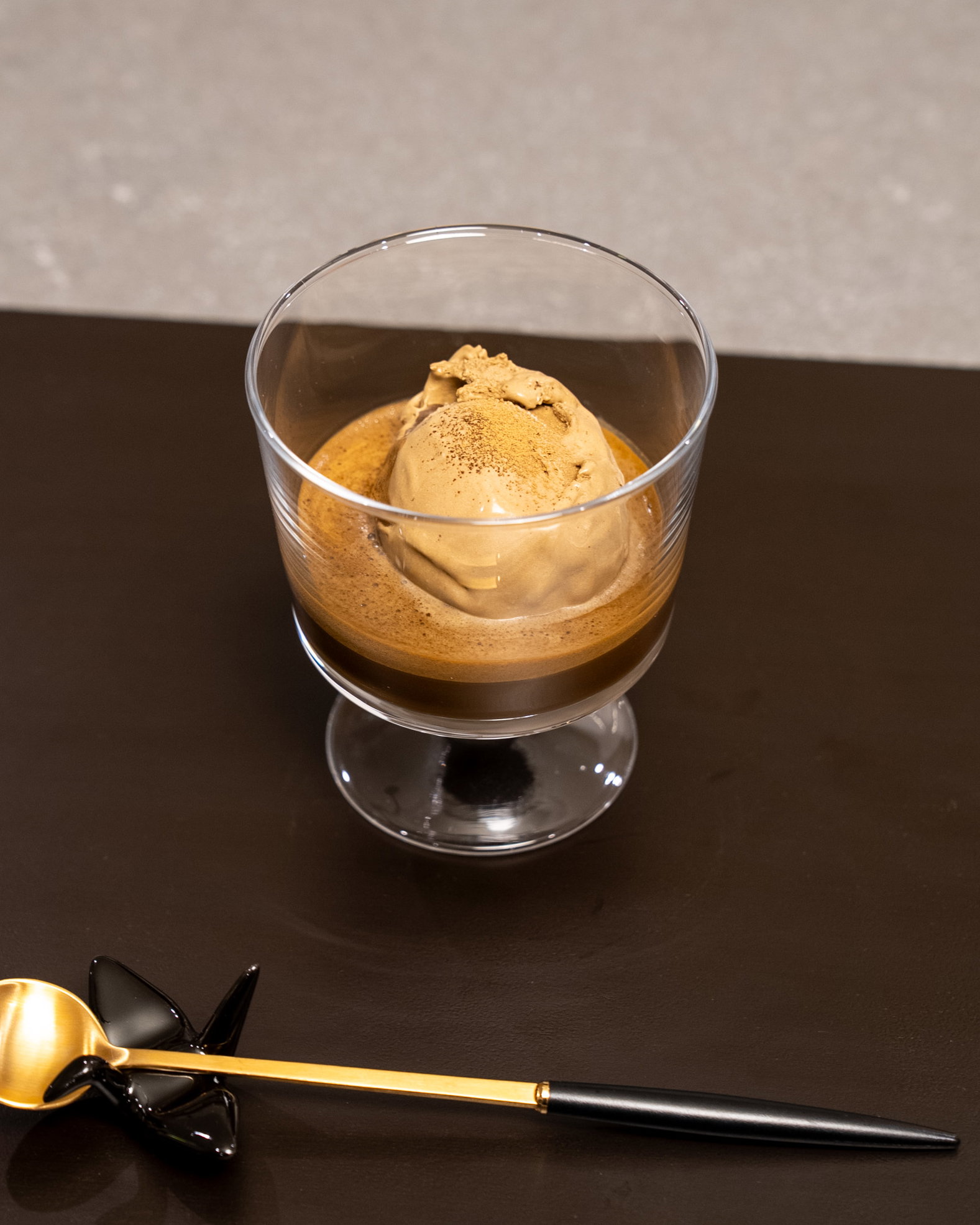
Japanese Fried Pork Cutlets
2 comments

hwoo.lee
•
April 20, 2026
Some recipes are more about technique than the actual list of ingredients.
This is one of those recipes. The ingredients list is very similar to any other tonkatsu recipe, but the real value is reading through the technical tips and tricks that I share.
This is a recipe about tonkatsu technique.
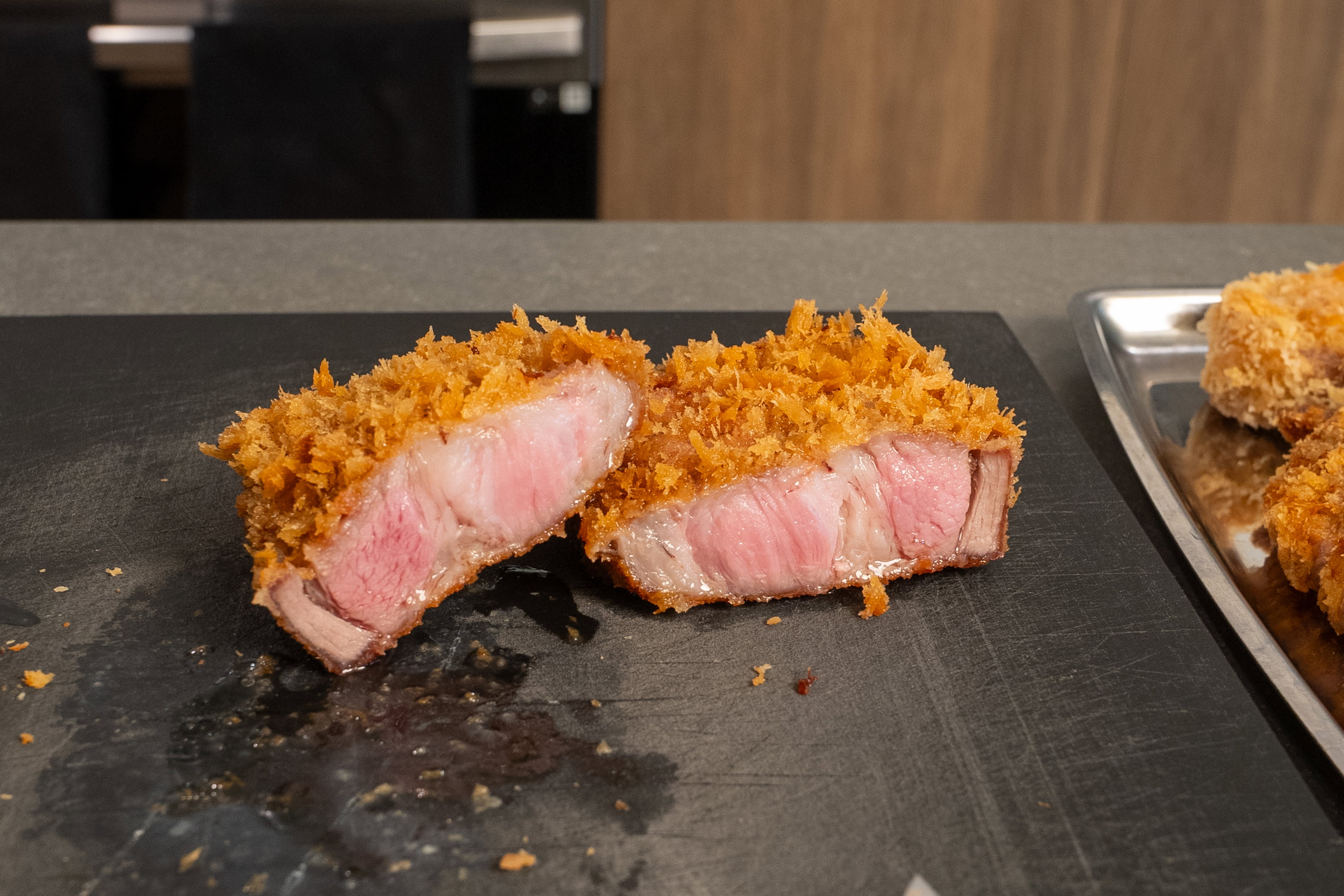
To me, Tonkatsu has a few distinct qualities I am looking for:
Far too often in America do I see an overcooked, dark brown tonkatsu that's pounded out like a frisbee. Let me clarify, dark brown katsu is not bad. There are tonkatsu shops who aim for the brown maillard reaction on their katsu, they just don't overcook the sh*t out of the inside.
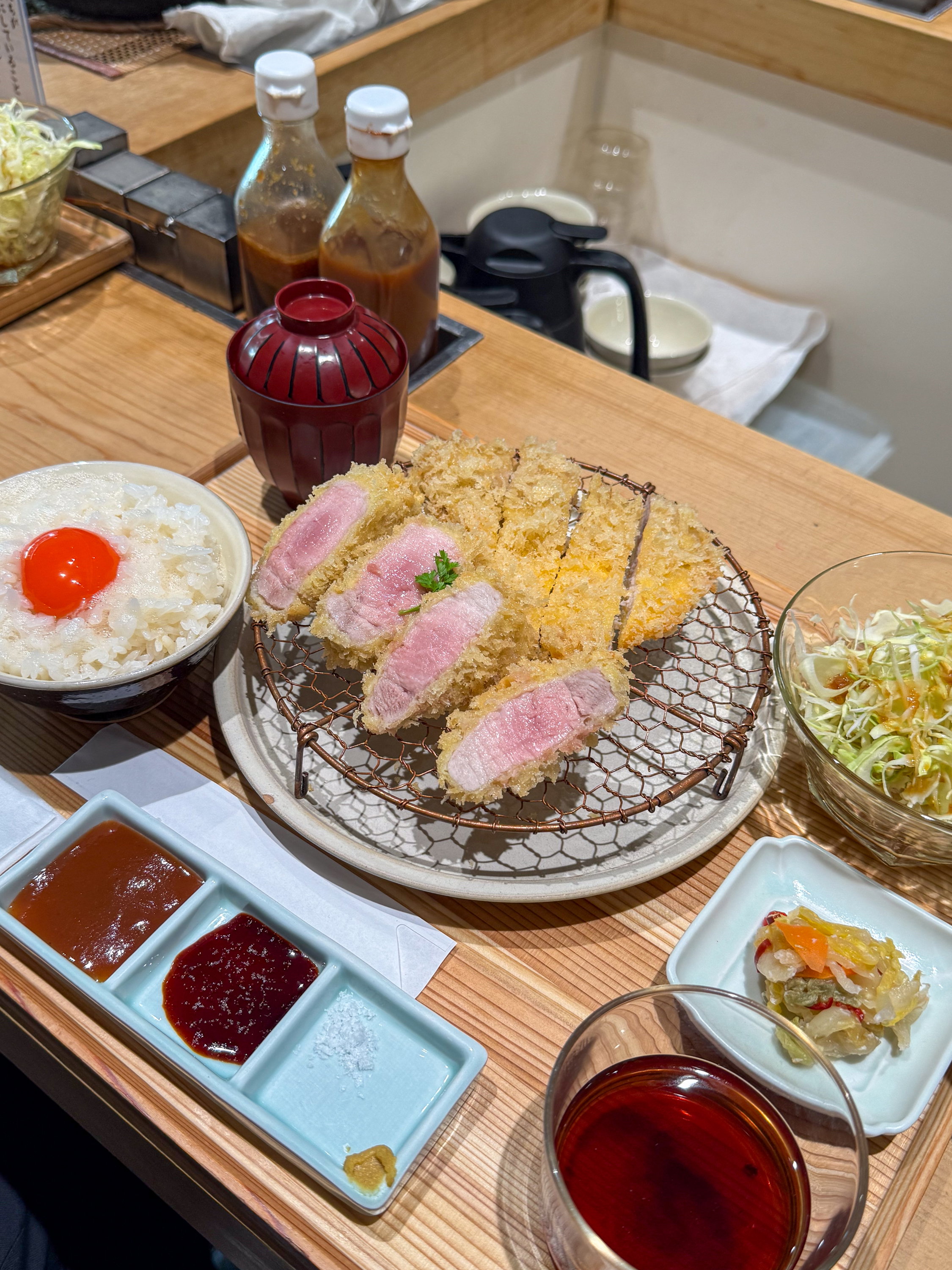
If you watched my video, you'll know that I am on a mission to recreate Tonkatsu Narikura's Snow White Tonkatsu.
Seizo Mitani, the chef/owner of Tonkatsu Narikura, is often credited for inventing the 'Snow White Tonkatsu', which is characterized by it's blonde, almost white panko coating and low-temp frying that yields an edge-to-edge rose interior.
What does the 'Snow White Tonkatsu' taste like?
Imagine this bite: the blonde panko is so light and lacy that once it gives its crunch, it almost dissolves into the rose pork interior. Usually, this tonkatsu is also fried in lard as low as 115 °C, resulting in a better edge-to-edge pink doneness. I would describe it as the more 'delicate' version of tonkatsu - the pork's flavor is more pronounced and the panko isn't carrying a stronger caramelized flavor. However, this is just one style of tonkatsu, many of the top tonkatsu shops in Japan serve the dark or golden tonkatsu.
How can I try the 'Snow White Tonkatsu'?
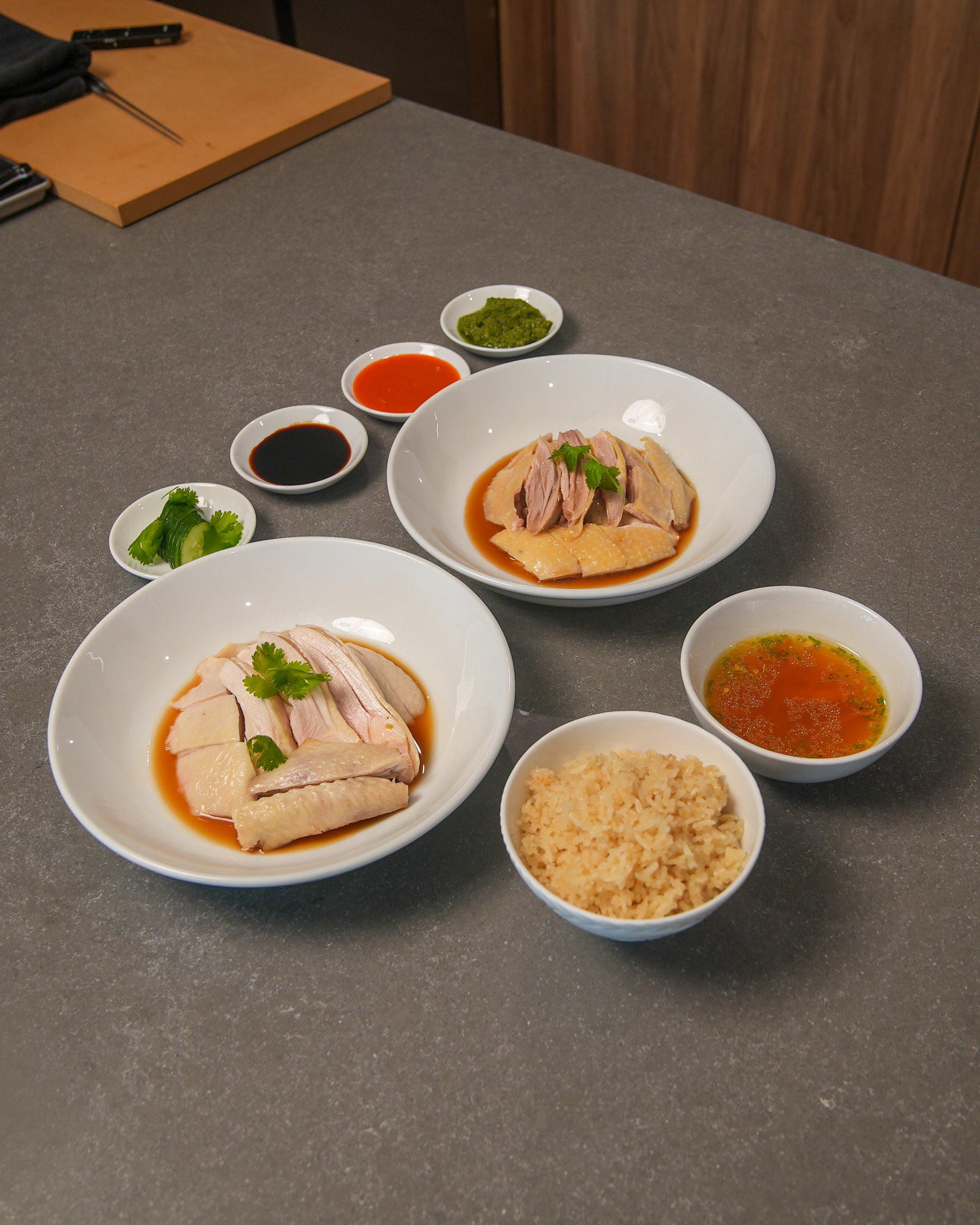
Mitani's technique was so revolutionary that many other shops in Japan started to emulate it. The first time I had the 'Snow White Tonkatsu' was at a shop called Tonkatsu Gensuiton in 2023 (pictured above). I haven't done research, but I hope there are shops outside of Japan that also do this style.
Hopefully, I will successfully achieve my own version here in Los Angeles. I have to give a big shoutout to The Japanese Food Lab's article on Narikura's 'Snow White Tonkatsu'. It goes in depth on Narikura's techniques and I owe much of my learnings to that article.
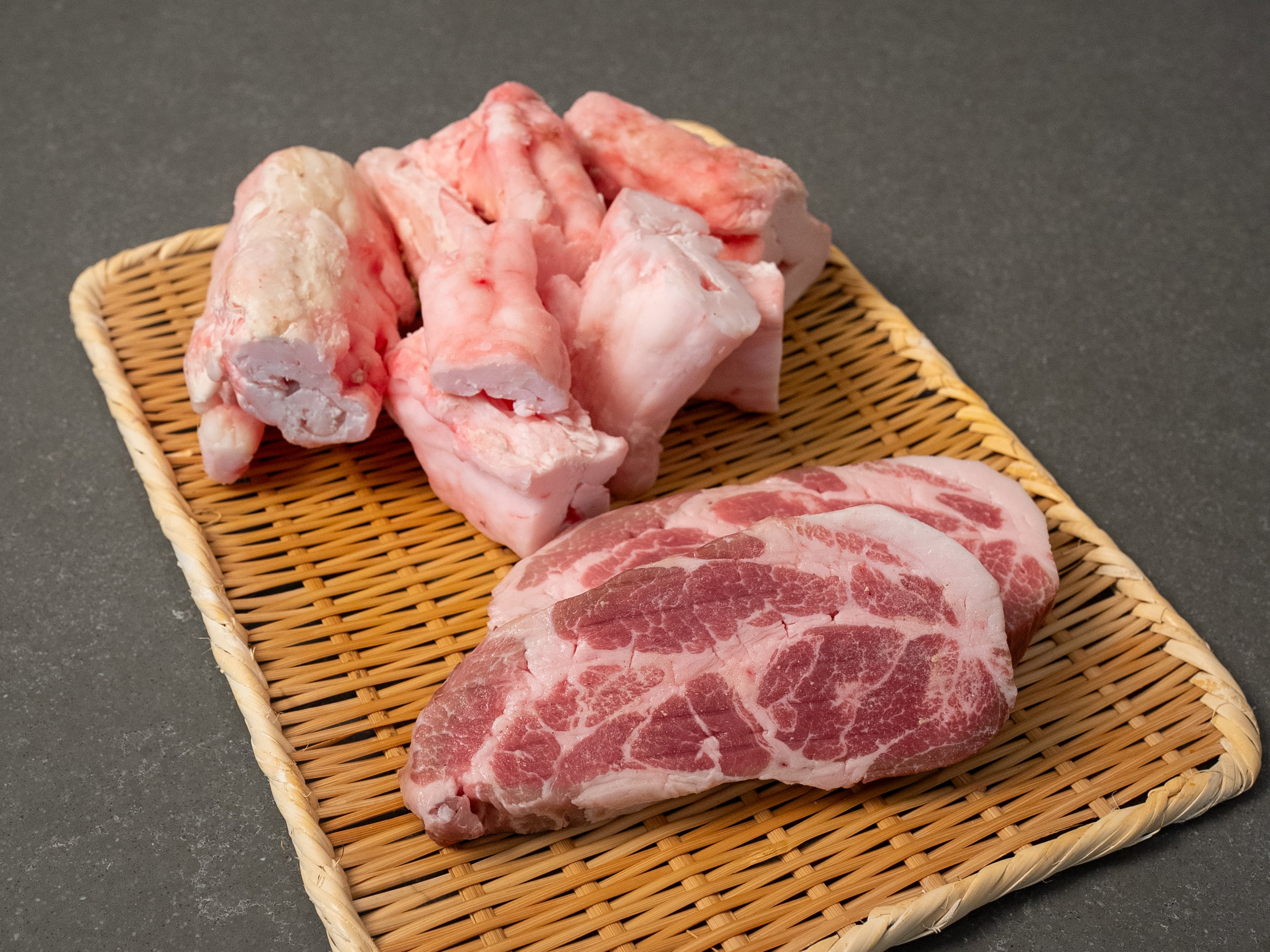
As stated in my recent video, these are my non-negotiables for making the best tonkatsu possible:
Over the years, I've realized that some of the best chefs are actually highly skilled at sourcing the best possible ingredient (this often parallels seasonality).
If you are in Los Angeles, this is where I source everything:
Obviously, there are more options for these ingredients. If you're struggling to source an ingredient wherever you are, it's time to befriend a chef and ask.
1. Okay H... Why buy nicer pork?
Think about this pork cutlet the same way you would think about buying a beef steak. An A5 wagyu ribeye is going to taste significantly different to a Choice Grade ribeye, no matter how many sauces or sides you add to it. Apply the same thought to the pork selection for your tonkatsu.
Pork should be enjoyed pink (in Japanese they call it a rose center, or ロゼ / rozē ). It's moist, it eats like a good steak, and it tastes like how pork should taste. Talk to your butcher if you need some reassurance on eating pink pork.
2. Okay H... Why fry in lard?
Have you ever had french fries cooked in beef tallow? Or duck fat? Now consider frying tonkatsu in canola oil vs. lard.
There are many shops in Japan that fry using a neutral frying oil, some split the oil with lard, and some use 100% lard. Tonkatsu Narikura is most likely frying all of their tonkatsu in leaf lard (source).
Do you have to use lard? Once I tried frying in lard, I knew I would never going back to using just neutral frying oil.
3. Okay H... I really can't find this Nama Panko...
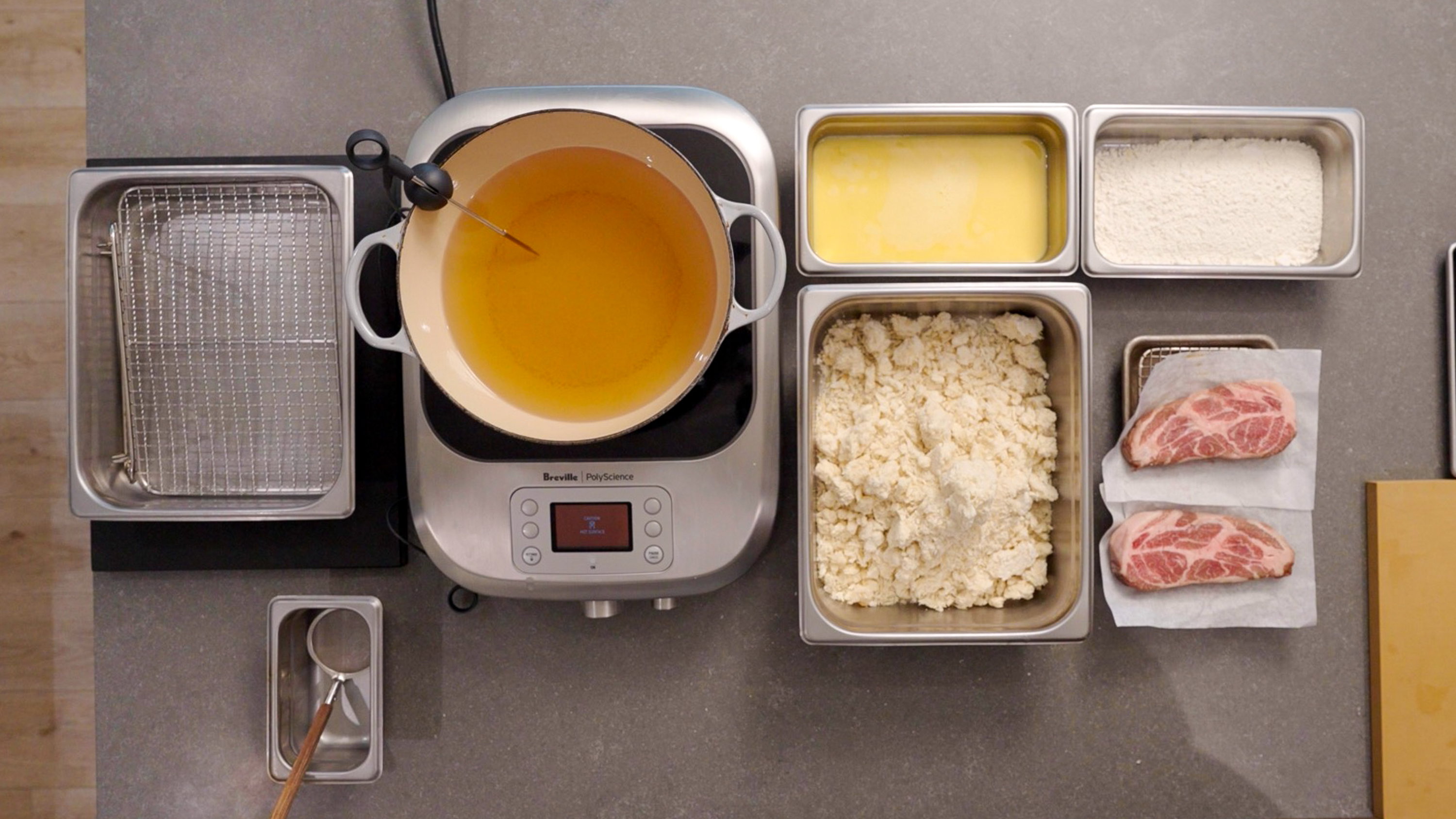
Option 1 is to make milk bread (shokupan), remove the crusts, and hand tear it into large flakes to create nama panko at home. You can blitz it in a food processor, but you risk grinding it too finely. What makes nama panko so good is the heterogeneity of large and small flakes. Also, tearing can yields longer strands of panko, instead of finely ground "balls" of panko.
Option 2 is to use dry panko breadcrumbs. I have heard that you can spray water on dry panko to help it rehydrate and fluff a bit, but I have never tested this.
Have a read through the recipe, and you'll realize this recipe is way longer than most recipes due to how many tips on technique I add throughout the process. I would reread this recipe a few times over and try to visualize each step.
As I grow as a chef, I find myself most interested in simple dishes with incredibly nuanced techniques. The prime example of this is sushi - simply fish and rice, but beyond that can be years of experience, discipline, and subtleties. Give a sushi chef and I the same exact fish, rice, and ingredients - they would create a gastronomic orgasm in your mouth while I would create an absolute sh*t show in your mouth (sorry for the horrible image, but you get my point).
I believe tonkatsu is the same. Give two people the same ingredients, and you will get drastically different tonkatsu. The thickness, the rose interior, the choice of pork cut and frying oil - it all plays a role in the final product.
Good luck, and I apologize for the oil splatters in your kitchen.
If you acquired leaf lard (1 ⅖ kg) from your butcher, you will need to do this process several hours, or ideally the day before you make this dish. If you acquired back fat, you would follow the same process to render the lard. If you got rendered lard or are using a neutral frying oil, you can skip this.
If you are using frying oil, I would highly recommend at least trying to cut the oil with 10-20% lard
Optionally, pull off any silver-skin or sinew within the leaf lard (1 ⅖ kg)
this will allow you to get better lardons in the final product
Cut leaf lard into a medium dice, place in a large stock pot with a splash of water, and set to a low heat to render
Allow to render on low heat anywhere from 30 min to 1 hr, dependent on how much lard you have.
if you heat the oil too quickly and high, it will start to develop a stronger pork flavor. it's not bad for this application, but when baker's use leaf lard for baking, you want to be gentle with it.
Render the leaf lard (1 ⅖ kg) until the pork lardons look almost ready. Strain and separate the solid from liquid. If you take them out when they look perfect, the carryover heat will overcook them.
Ideally, portion the pork collar (200 g) into 2.5 cm steaks. However, 2-3 cm is acceptable.
Trim any loose silver-skin or excessive fat pieces on the pork (200 g)
Suji-Giri (筋切り): This is the process of cutting the connective tissue or sinew between the meat and the fat to prevent curling. to do this, make small cuts every 2–3 cm through the connective tissue
you are essentially stabbing this area like how I demonstrated in the video
Feel free to use pork loin, chops, tenderloin, or any other cut.
Subscribe to get my new recipes delivered to your inbox
Sign in to comment