Hủ Tiếu Khô - Vietnamese Dry Noodles
an S Tier Weeknight Meal


hwoo.lee•
June 26, 2026
Your partner's cultural background can play a huge influence on the types of food one can be exposed to.
For me, my partner is Chinese-Malaysian-Australian - but it extends greatly into Vietnamese food. Her Chinese mother, who is an outstanding chef, was raised in Vietnam, but eventually opened a Cantonese restaurant in Melbourne, Australia. Much of my partner's childhood food surrounds all of these cuisines, and she often asks me to recreate some of these dishes.
One of these dishes is Hủ Tiếu - a Vietnamese Noodle dish that has Chinese-Cambodian roots. Hủ Tiếu, originally derived from Teochew/Cantonese “kway teow” rice noodles and the pork‑based street soups of Chinese immigrants, eventually became a popular street staple in southern Vietnam in the 1960s.
Today, Hủ Tiếu refers to a broad Chinese‑Cambodian‑Vietnamese noodle genre: a clear pork broth, chewy rice or egg noodles, a bit of pork and prawns, and the option to go “nước” (in broth) or “khô” — the dry, saucy version I’m making here.
So if you're new to this dish, keep in mind that:
Hủ Tiếu Nước = Noodles in Soup (Wet)
Hủ Tiếu Khô = Noodles in Sauce (Dry)
With the Dry Version, you'll often serve it with a side of soup so you still get to taste all the components. This was my first time making this dish, and I didn't realize how simple it would be to meal prep it. You can also change the toppings throughout the week to change it up.
Noodles, Noodles, what kind of Noodles?
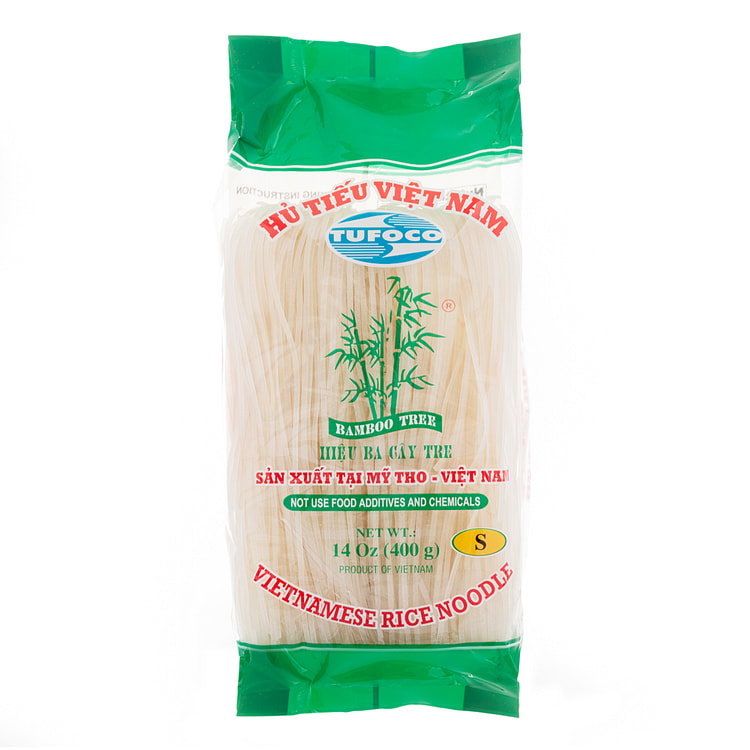
Usually, there are two types of noodles used. The first is Hủ Tiếu Dai, which is a mix of rice and tapioca starch. This one was a bit more difficult to find for me, and I didn't want to drive all the way out to a Vietnamese grocer.
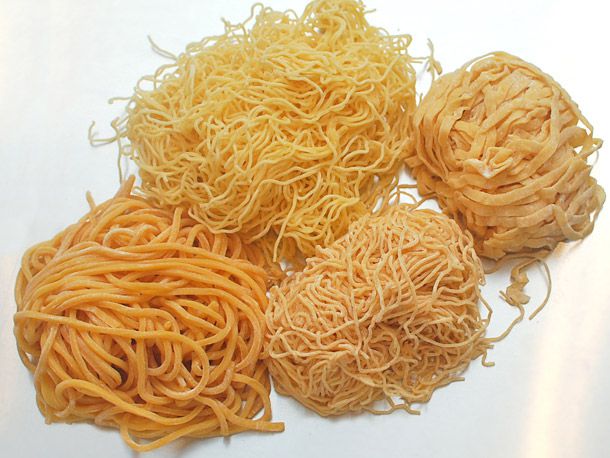
The second noodle option is called Mì, but it's a more accessible Chinese-style egg noodles. This is also known as Wonton Noodles. You can use any kind you can find at an asian grocer.
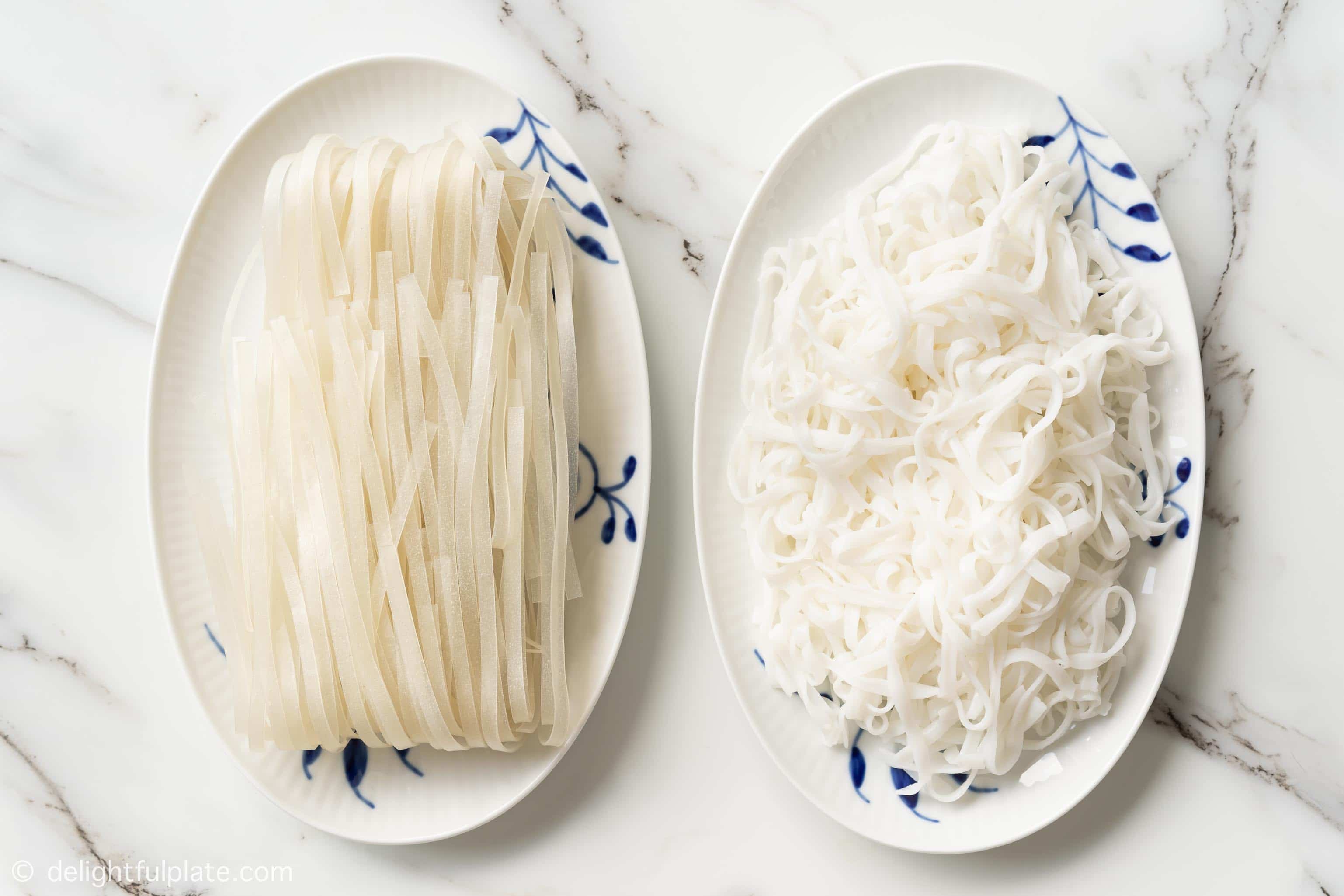
Honestly, you can use any noodle you want. Popular substitutes include any Phở or Pad Thai noodles. Heck, you can even use instant-ramen noodles. If you want to stick to tradition, get Hủ Tiếu Dai or Wonton Noodles. A lot of people like to actually mix them 50/50 into the same bowl for a more interesting textural experience.
Ingredients (29)
Ingredients (29)
Fried Shallots
Hủ Tiếu Khô Sauce
Noodles
Garnishes
Instructions
Fried Shallots
Slice shallots (2 whole) into thin 2mm rounds, optionally lightly dust with cornstarch to add a light batter for additional crunch
it's imperative that all of the shallots are the same thickness, because any unevenness will result in uneven cooking later on. Using a mandoline will be helpful to get the same even thickness
Heat up neutral oil (109 g) in a saucepan to about 121 °C. Keep a pair a tongs/tweezers, a spider/fine-mesh skimmer, a paper-towel lined tray, and salt next to you.
You need just enough oil to keep all the shallots submerged, but too much oil and you won't be able to taste the shallot-infused oil.
Keep the oil temp at around 121 °C, continuously stirrings the shallots so they evening cook in oil. At about 5 to 10 minutes in, they should start to look lightly golden brown.
Shallots keep cooking after you remove them from the oil. It is imperative that you remove the shallots before they look perfectly golden. They should look 15 to 20 seconds away from perfect, that's when I remove them
Strain/Skim out the shallots, and cool down the shallot-infused oil (4 Tbsp) for later use. This oil has a sweet layered depth from the fried shallots that I believe is important to making this dish taste the way it does.
I believe it is this Shallot-Infused oil that gets Hủ Tiếu Khô to taste restaurant quality.
Hủ Tiếu Khô Sauce
In a saucepan over med heat, add your Shallot-Infused Oil (4 Tbsp). Once heated, sauté your minced shallots for a minute, and then add your garlic. Sauté until fragrant, but not browned.
I like to add the garlic a little bit after the shallots, because they tend to burn faster.
Once fragrant, add sugar (50 g), oyster sauce (59 mL), soy sauce (59 mL), water (59 mL), sweet chili sauce (1 Tbsp), fish sauce (1 Tbsp), black pepper (1 tsp), and chicken bouillon powder (1 tsp). Allow to simmer for 2 minutes.
Reducing this sauce helps create a thicker texture to coat the noodles
Once thickened, add vinegar (1 Tbsp) and gochugaru (1 Tbsp) (optional).
I think the vinegar brightens it, and the gochugaru adds a nice spice
Reserve the sauce on the side until ready to use, or store in an airtight continer in the fridge for a week.
Poaching Pork Belly
Optionally, cure pork belly (1 kg) (with skin-on) with a generous amount of salt on all sides. Let aside in the fridge for 1 hour to overnight.
Bring a pot of water to a boil, enough to completely submerge the pork belly (1 kg). Blanch the pork belly for 3min on high heat.
This is purging the meat of initial scum. I like to do this with all braised meats.
Dump out water, and rinse pork (1 kg) with clean cold water. Make sure to scrub off any scum.
Bring a pot of water to a simmer, enough to completely submerge the pork belly. Optional - add a few slices of ginger to the bottom of the pot.
I actually poached the pork belly in chicken stock, and later seasoned the poaching liquid to become my side-soup for the final dish.
Place the pork belly slab skin-side downwards. Depending on the size of your pork belly, poach on a very gentle simmer for about 80 min (mine was a 800g pork belly slab, and it took about 80min to reach 160F internal)
The goal is to have the pork belly between 160 to 170F, but any hotter and it starts to shred. Like Bossam, I want my pork belly to be slices. Tender from the fat, but the meat have a bite. This is my personal preference though. Also, how long it cooks for can affect the texture.
Once cooked, shock in an ice bath, and allow to chill until firm. Slice into pieces, and optionally reheat pork belly slices by steaming or blanching in hot broth/water.
Poaching Shrimp
If you are using the same 8/12 ct Black Tiger Prawns (½ kg) - remove the head and leave the tail's shell on.
I leave the shell on because it helps preserve the shape of the tail for presentation. You can remove the shell and
Poach on a med-low simmer for about 4 minutes
Shock in ice water, remove the shells, and slice in half to reveal half-moon shapes. Remove the intestinal tract (or poop chute lol).
I also chuck the shells into my chicken stock / pork belly poaching liquid to add more shrimp flavor.
To Finish
Prepare all of your garnishes ahead of time.
Bring a large pot of water to a boil, and cook your egg noodles (250 g) or Hủ Tiếu Dai (250 g) to the package instructions
Shock noodles in ice water, thoroughly drain out water, and place into the serving bowl. Drizzle on the Hủ Tiếu Khô Sauce (maybe 2 to 3 tbsp per serving).
Garnish with all of the different toppings, squeeze some lime/lemon on top, and enjoy!
Subscribe to get my new recipes delivered to your inbox
Comments
Sign in to comment