the sauce that breaks all rules

hwoo.lee
•
July 1, 2026
This Dashi Beurre Blanc is one of the tastiest sauces I make, and it breaks both French and Japanese 'culinary rules'.
I actually don't like to call this a beurre blanc because it's really just an emulsion made with a kuzu starch slurry. It lacks the lightness of a proper beurre blanc, because I essentially split the butter and re-bind it with kuzu starch. This sauces tastes heavier without having to add loads and loads of butter (which I naturally try to avoid because of my lactose intolerance).
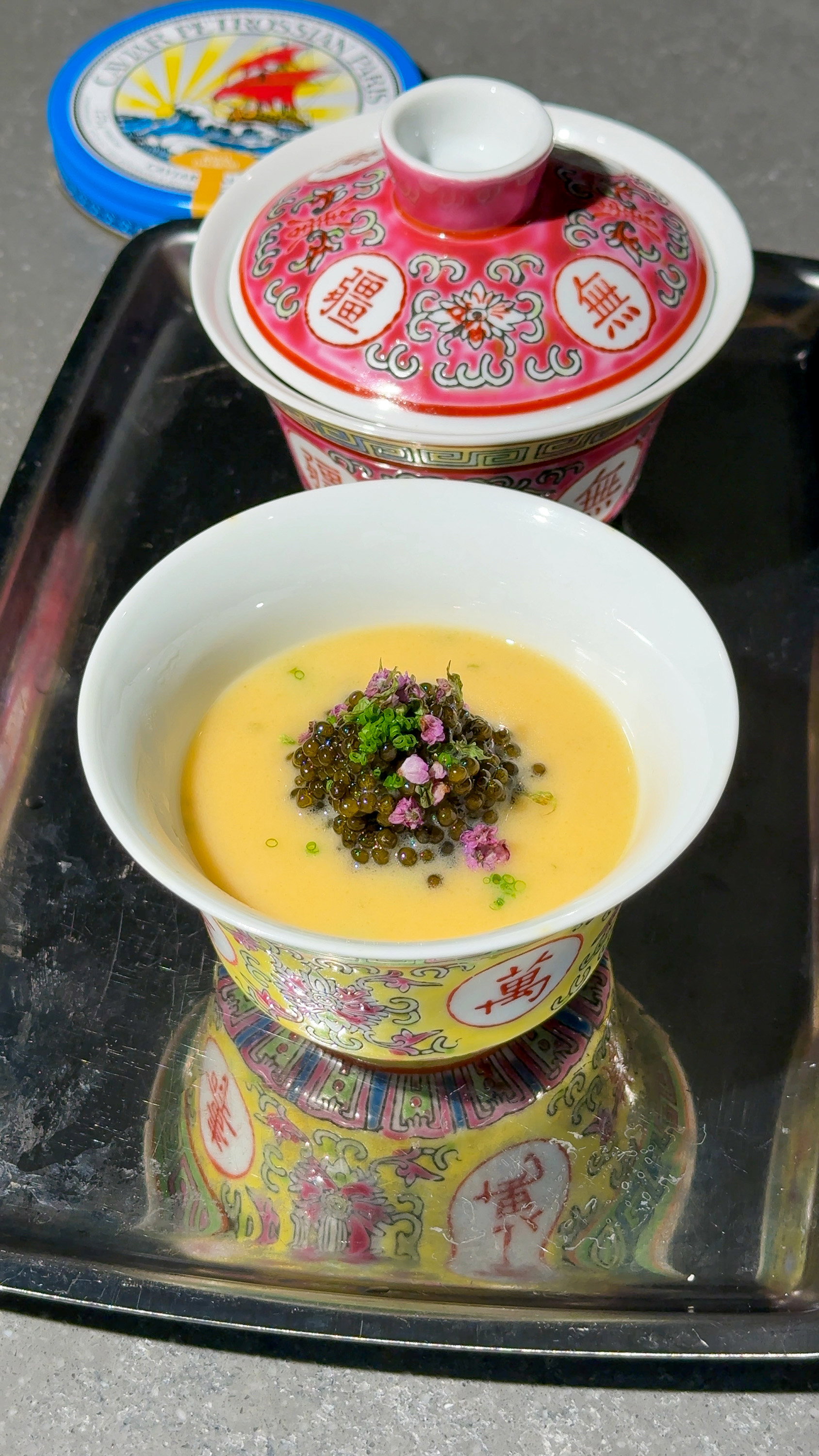
If you are using this sauce for a smaller dish (like the Chawanmushi), I would recommend keeping it thicker and stronger. The heavy sauce holds up well with caviar and a thicker chawanmushi.
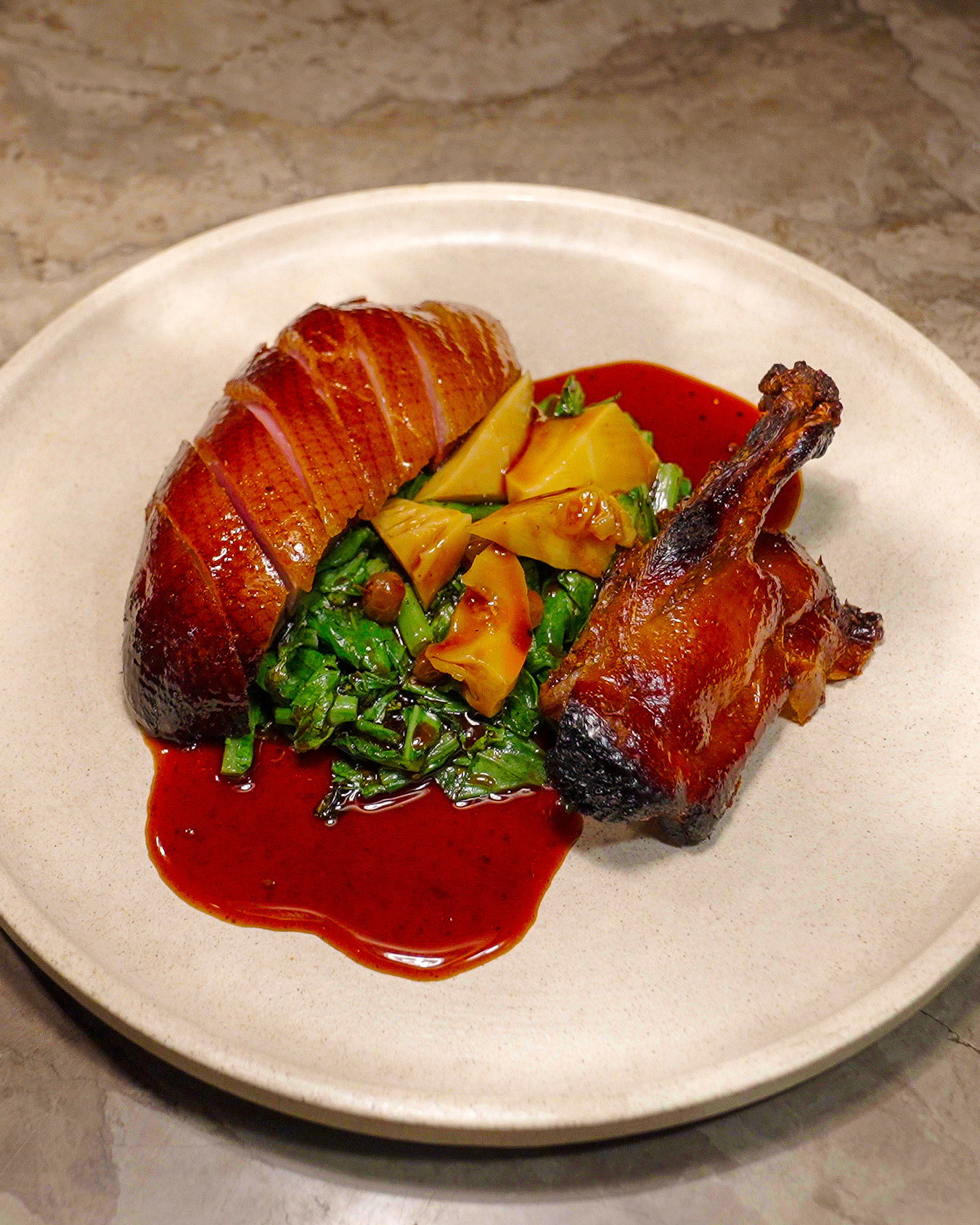
If you want to make this sauce lighter for a larger dish application (maybe a whole grilled dish), then I would potentially omit kuzu and make this the traditional French way (without kuzu and pure butter emulsion).
Other than the use of kuzu starch as a hydrocolloid to thicken, there are a few other rules I break.
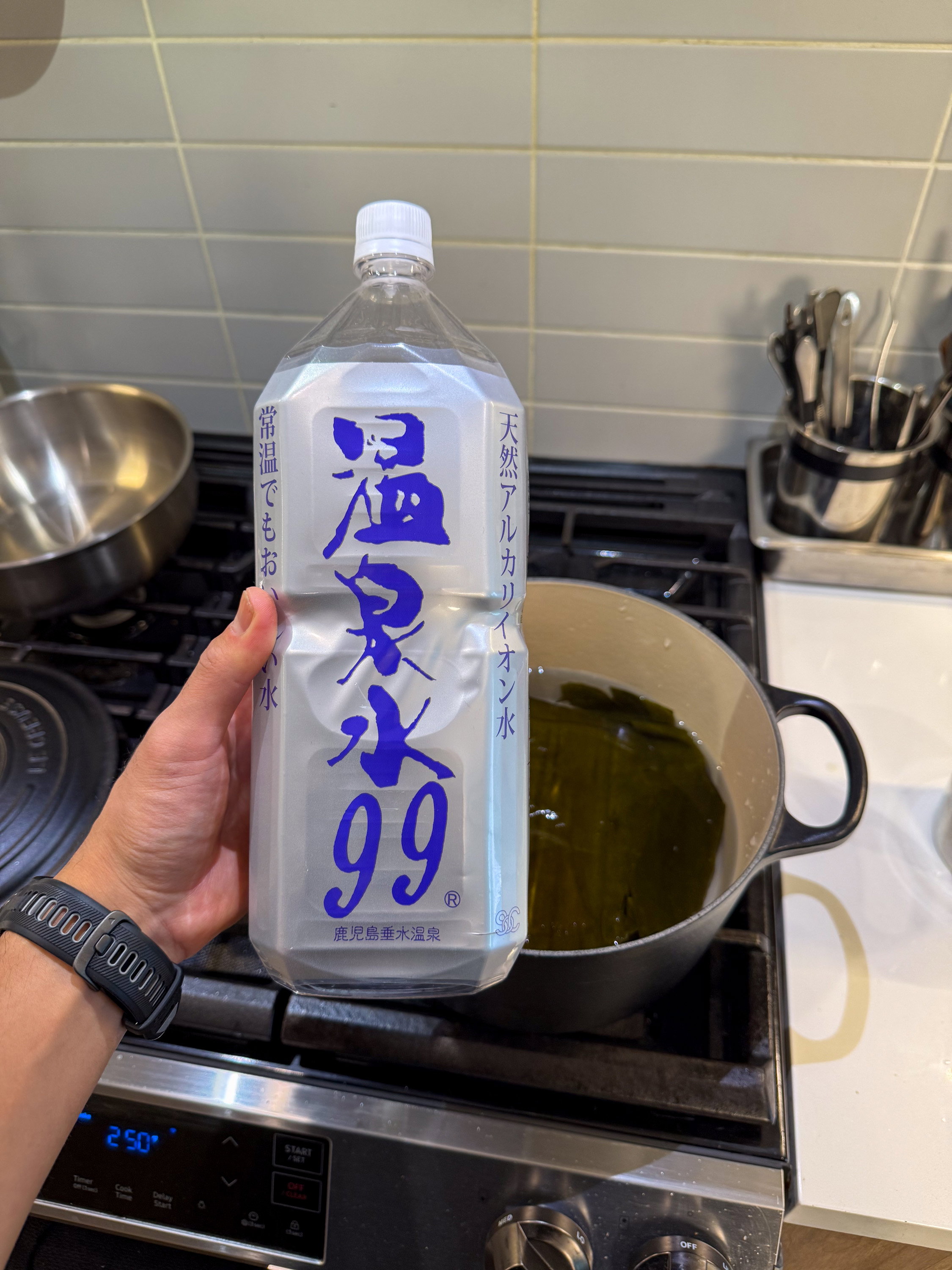
Ichiban Dashi, or the first brewed dashi from kombu and katsuobushi, should be used as is. If you ask some traditional Japanese chefs, they would never reduce dashi over heat. This would release more of it's volatile aromas and essentially "ruin" your highly aromatic dashi.
Second, I reboil used katsuobushi with shallots, and then press the liquid out of the katsuobushi. To use katsuobushi again is not the worst thing, but a traditional Japanese chef would never press liquid out of katsuobushi.
The reason why I do the above is because my final sauce needs some strong flavors that will be held up against butter. I don't think the average individual would be able to taste the bitter compounds from pressed katsuobushi or reduced dashi along with the butter. Some chefs may totally agree, some may totally disagree with this, but to each their own.
This sauce is for a tasting menu format, with a smaller dish that's meant to be enjoyed in a few bites. I plate this sauce on top of my Chawanmushi recipe, a large serving of caviar, and shiso flowers.
In a saucepan, add the dashi (50 g), mirin (15 g), sake (50 g), champagne vinegar (15 g), katsuobushi flakes (25 g), and shallot brunoise (15 g). Bring to a boil, then drop to a gentle simmer. Reduce until almost all the liquid is gone (au sec).
Strain the mixture into a new saucepan, pressing on the katsuobushi flakes and shallots to release as much juice as possible. If needed, reduce even further.
Sometimes the extra liquid pressed out of the solids requires this needing to be reduced further.
This is your Dashi Reduction, which should have reduced by about 1/8 of the initial weight.
A thick, syrup like consistency is ideal for emulsifying with butter.
Optional: Adding a little cream to the Dashi Reduction will help stabilize this emulsion.
Some traditional chefs refuse to add cream to a beurre blanc. Some would be offended by this.
With the saucepan on low/no heat, slowly whisk in cold butter cubes (30–70 g). Typically, the traditional ratio of Reduction : Butter should be 1:4 or 1:8.
If I use the Kuzu Starch method in the next step, I will do 1:2 Reduction : Butter.
Optional: In order to thicken this sauce without adding more butter, I make a kuzu starch slurry that gets whisked into the "beurre blanc". Similar to cornstarch slurries, you have to cook out the kuzu starch in your emulsified "beurre blanc", so whisk and briefly simmer.
This is where the sauce can split, but I really don't mind because I want a thicker beurre blanc that's not so heavy for the Chawanmushi dish I pair this with. Some chefs would also be offended by this.
If you omit the kuzu starch slurry, make sure to keep the beurre blanc around 50 °C to 55 °C. Season with salt or vinegar to taste.
Right before serving, add chives and pickled myoga into the beurre blanc. Garnish with a dollop of caviar and shiso flowers.
The ideal temperature for a beurre blanc emulsion is between 122°F - 131°F (50°C - 55°C). To prevent the emulsion from breaking, the sauce should never exceed 149°F (65°C) or drop below 100°F (38°C).
Subscribe to paid to comment